 Seoul City Guide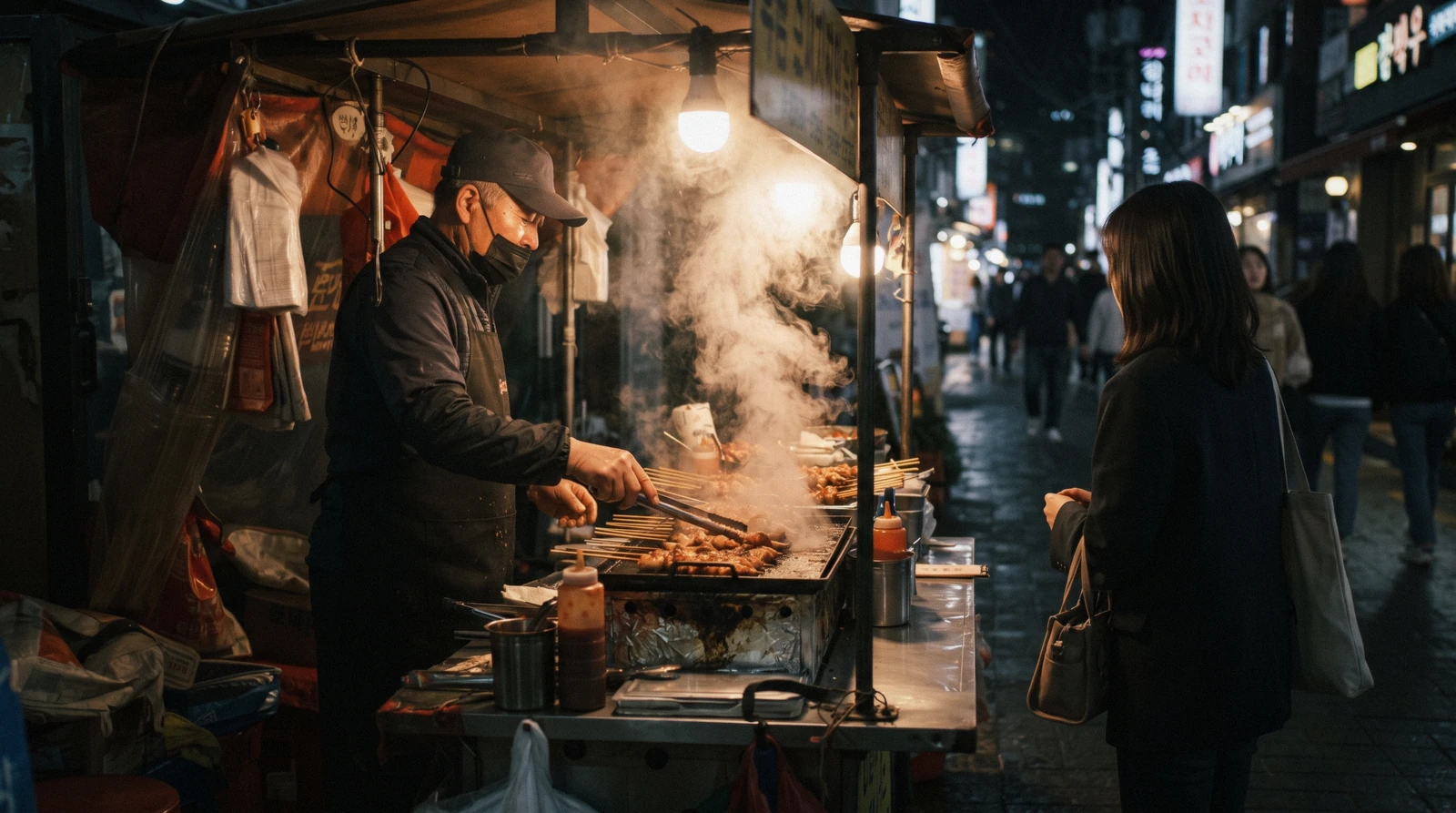
Seoul Street Food: What It Is, What It Costs, Where It Is
Seoul street food is two different things — the pojangmacha carts that appear in the evening and the market counters that run all day — and they cost different money. This page carries the dishes, the prices, the hours each kind keeps and the districts that do them best, checked in Q3 2026. The rest of the eating is on the where to eat page and the trip on the Seoul city guide homepage.
Quick answer Carts after four, markets all day, ₩2,000–₩6,000 a piece
Street food in Seoul splits in two. The evening carts — pojangmacha — set up on shopping streets from about 16:00 and sell skewers, rice cakes and griddled sweets at ₩2,000 to ₩6,000 a piece. The market counters at Gwangjang and Namdaemun run from nine in the morning and serve full plates for ₩3,000 to ₩8,000. Both are worth doing; they are not the same meal.
Key takeaways
- Cheapest full stomach in the city: three or four market plates for about ₩10,000 — what to order at Gwangjang.
- Cart prices on the main tourist lanes run a third above the same item two streets away.
- Every cart posts a price board. If one does not, walk to the next — there is always a next.
The Dishes, Priced
What you will actually be offered, with the prices displayed on carts and stall boards when we checked in Q3 2026. Prices vary by a thousand won or so between districts.
| Dish | Price | What it is | Where it is best |
|---|---|---|---|
| Tteokbokki | ₩4,000–₩5,000 | Rice cakes in a sweet chilli sauce, the national snack | Anywhere; markets do the older version |
| Hotteok | ₩2,000–₩3,000 | Griddled pancake with brown sugar and nuts inside | Winter, from a cart, eaten immediately |
| Gyeran-ppang | ₩2,000–₩3,000 | A whole egg baked into sweet bread | Myeongdong carts |
| Skewers — chicken, sausage, fishcake | ₩3,000–₩6,000 | Grilled or simmered; fishcake comes with free broth | Cart streets and markets |
| Bindaetteok | about ₩5,000 | Mung-bean pancake fried in a pan of oil | Gwangjang, where the mills are |
| Mayak gimbap | about ₩3,000 | Thumb-sized seaweed rolls with mustard sauce | Gwangjang, by the bucket |
The fishcake broth ladled from the pot beside the skewers is free and refillable, and in February it is the single best thing on the street.
The Carts, and When They Appear
Pojangmacha means 'covered wagon', and the name covers everything from a griddle on a trolley to an orange-tented tent-bar with plastic stools where people drink soju until two in the morning.
The daytime version barely exists. Carts appear as the offices empty, from about 16:00, and the good ones have a queue by seven. They pack down between ten and eleven, earlier in winter. That schedule is the single most useful fact on this page: arriving on a cart street at two in the afternoon and finding nothing is a common and avoidable disappointment.
The tented bar version is a different institution — a sit-down operation serving grilled intestines, spicy chicken feet and seafood alongside the drink, and it runs late into the night in the older parts of Jongno and around Euljiro. It is not aimed at visitors, and it is all the better for that.
One practical note: cards work at most carts now, but cash is faster, and some of the smallest operations still prefer it.
Where to Eat It
Myeongdong is the famous one and the most expensive: the carts run down the middle of the main lane from four in the afternoon, the range is the widest, and you pay perhaps a third more than elsewhere for the convenience and the theatre.
Gwangjang Market is the better food. The food street opens at nine and runs to eleven at night all year, the dishes are older and more regional, and a full lunch of three plates costs about ₩10,000 rather than ₩15,000 of snacks.
Namdaemun does the market version for people who are working: kalguksu, hotteok and griddled snacks, cheaper again, and gone by early evening.
For the neighbourhood version, Mangwon and Tongin markets sell to residents rather than to visitors, and the prices show it. Tongin's brass-token system — buy coins at the desk, spend them stall to stall — is the most enjoyable ₩10,000 in the palace quarter.
How to Eat Street Food Without Regret
Follow the queue. Turnover is the only meaningful hygiene signal on a street, and a stall with ten people waiting has cooked everything in the last twenty minutes.
Check the board before you order. Every cart displays prices; the ones that do not are the ones that quote after you have eaten.
Eat standing at the cart rather than walking. This is the local convention, it keeps the food hot, and on a crowded lane it is the difference between enjoying it and wearing it.
Watch the chilli. Tteokbokki ranges from mild to genuinely fierce, and the sauce is sweet enough that the heat arrives late. If you are unsure, the fishcake skewers and their broth are the safe order.
And treat the cart as a course rather than a meal. Two or three items from a street plus a market plate is a good evening; six carts in a row is a stomach ache and about ₩25,000 gone.
What to Read Next
Three pages that carry on from here.
Gwangjang Market
The all-day version, dish by dish with prices: Gwangjang Market.
- Food street 09:00–23:00
- ₩8,000–₩15,000 a head
- Shops closed Sundays
Myeongdong
The cart street and its hours: Myeongdong.
- Carts 16:00–22:30
- ₩3,000–₩6,000 a piece
- Priciest of the three
Food tours
Whether a guide is worth it on the first night: Seoul food tours compared.
- 2–4 hours
- 8–11 tastings
- Vegetarian option exists
Guided Street-Food Walks
Three walks built around carts and market counters, including one that adds a lit palace. Ratings and prices are the operators' own figures, checked in Q3 2026.
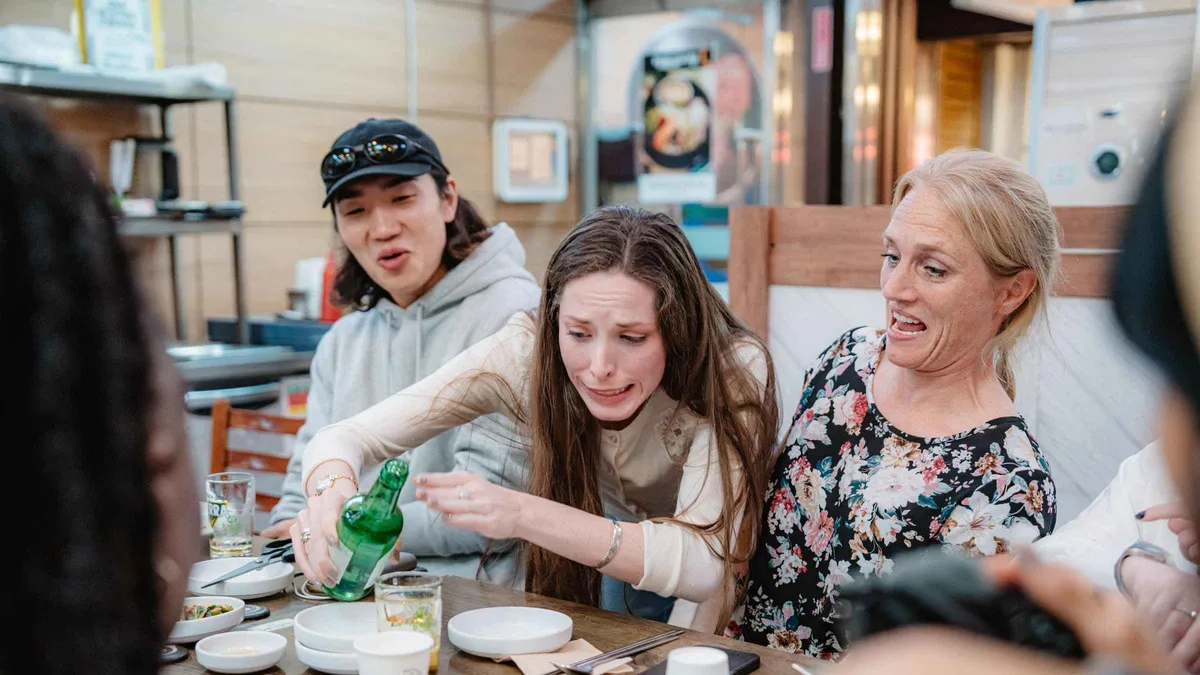 from $73
Seoul Street Food Market Tour
This experience goes beyond delicious food; it's a cultural journey where you'll connect with friendly hosts, engage with local vendors, and bond with fellow.
Check Availability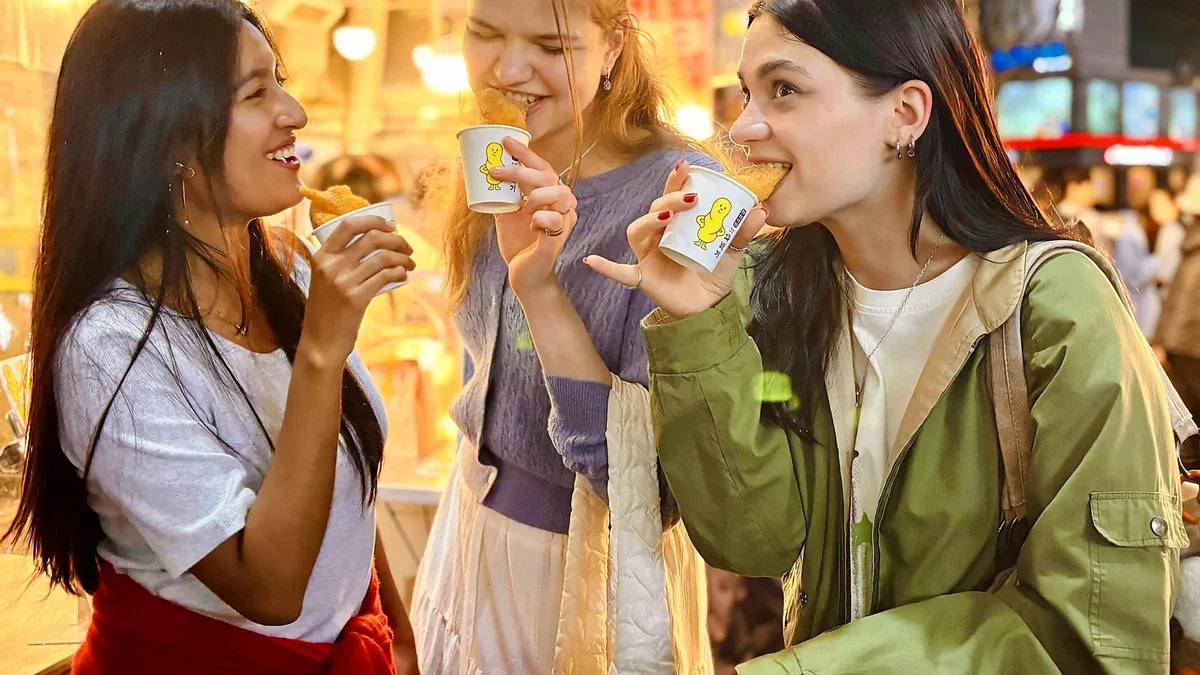 from $67.15
Seoul: Night Palace & Market Food Tour with Vehicle
Unwind in Seoul's night glow where history meets flavor. On this small-group tour (max 15), ride between sights, taste generous market dishes, and feel the city come alive with lights and.
Check Availability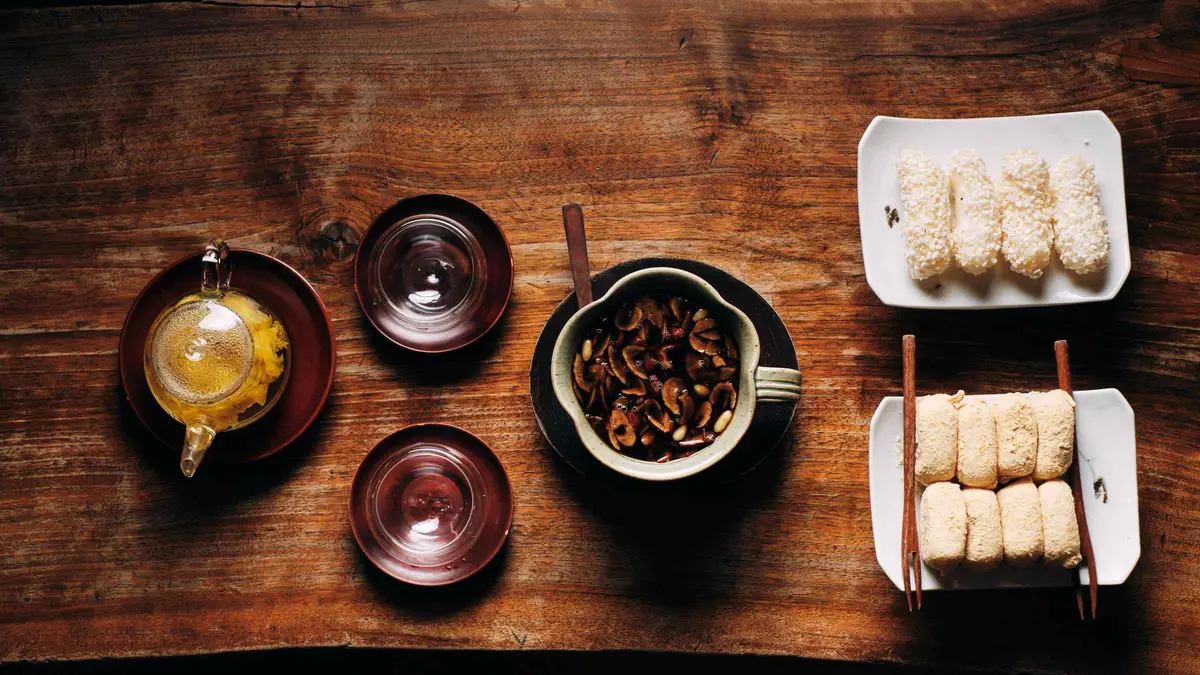 from $97.56
Seoul: Guided Food & Market Tour with 8+ Tastings
Discover Seoul’s hidden foodie gems on a flavorful journey through markets, backstreets, and teahouses, tasting authentic dishes, local snacks, and our surprise Secret Dish along the.
Check AvailabilityPrices, ratings and details are the platform's own, checked in Q3 2026; dollar figures are the listed prices — the platform bills in your account's currency.
Street Food Questions
How much is street food in Seoul?
₩2,000 to ₩6,000 a piece from a cart, or ₩3,000 to ₩8,000 for a full plate at a market counter. Three or four market plates make a meal for about ₩10,000.
What time does street food start in Seoul?
Carts from about 16:00, with the peak between 18:30 and 21:00 and most packing up by 22:30. Market counters open at 09:00 and Gwangjang's food street runs to 23:00.
What is the best street food in Seoul?
Bindaetteok and mayak gimbap at Gwangjang for the traditional version; egg bread and skewers on the Myeongdong carts for the evening version. Hotteok is the winter one.
Is street food in Seoul safe?
Yes. Follow the queue, which tells you where turnover is highest, and eat at the cart rather than walking with it.
Do street food carts take cards?
Most do now, but cash is faster and some of the smallest carts still prefer it. Carry a few ten-thousand-won notes.
Where is street food cheapest?
Neighbourhood markets such as Mangwon and Tongin, then Gwangjang and Namdaemun. The main Myeongdong lane is the dearest by roughly a third.
Reviewed Q3 2026 (July–September 2026); next review Q4 2026. Prices, hours and terms are set by the venue or operator and confirmed at checkout.
We may earn a commission if you book through one of our links, at no extra cost to you. Full affiliate disclosure