 Seoul City Guide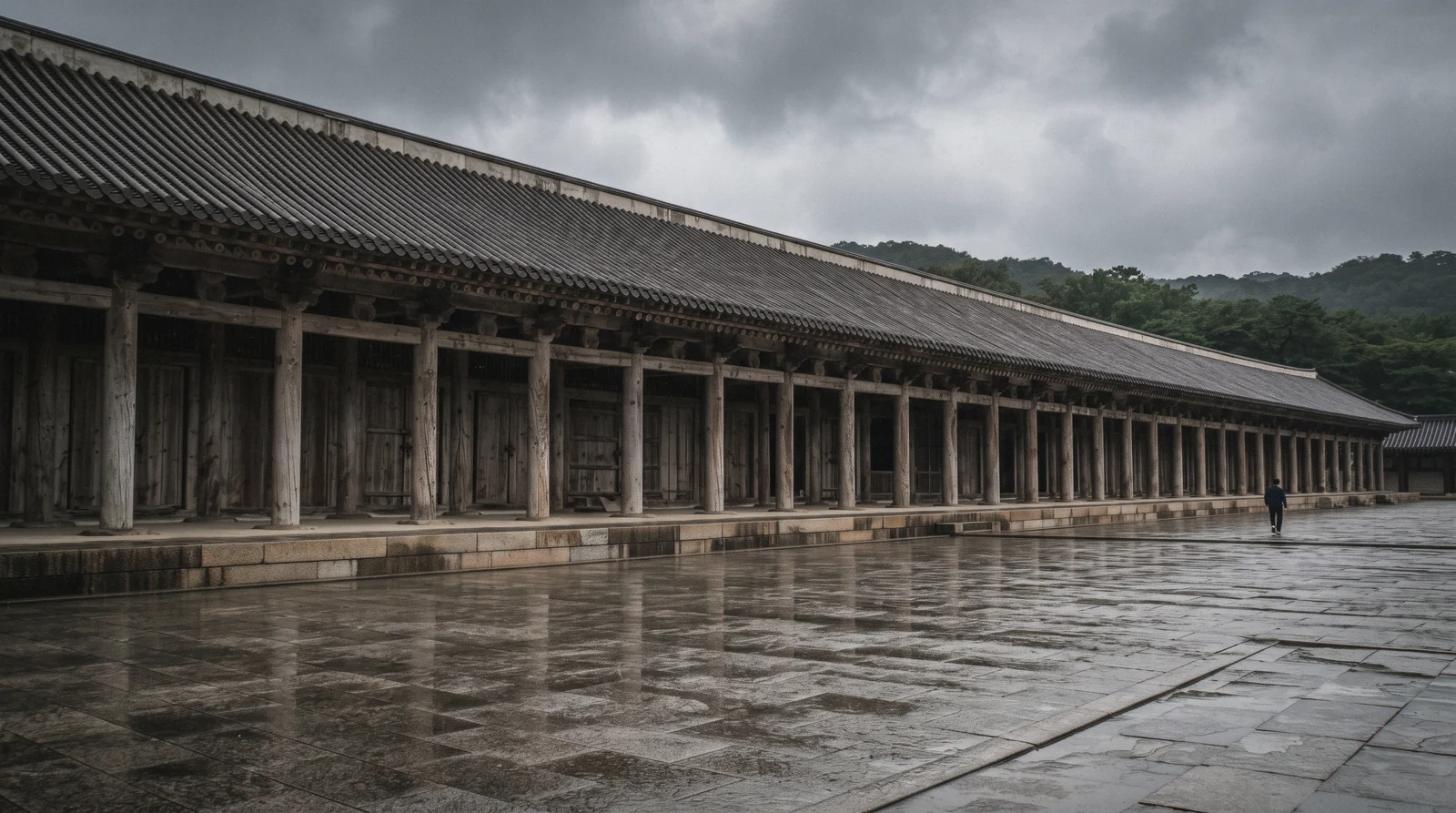
The Five Palaces of Seoul, and Which Ones to Actually Visit
Seoul palaces number five, plus the royal ancestral shrine that belongs with them, and no visitor needs all six. This page ranks them by what each one gives you, with the ticket price, the closing day and the time each takes, checked in Q3 2026. The trip they sit inside is on the Seoul city guide homepage.
Quick answer Two palaces are enough — here is which two
Seoul has five royal palaces from the Joseon dynasty and one royal ancestral shrine, all within a twenty-minute walk of each other in the north of the old city. A first visit needs two of them: Gyeongbokgung for the scale and the guard ceremony, Changdeokgung for the garden. The other three are cheap, quick and worth adding only if you have the days.
Key takeaways
- Doing two full-price palaces costs the same ₩6,000 as the integrated ticket, so buy the ticket and treat the rest as free.
- The one thing that needs planning is the Huwon garden slot — everything else is walk-up.
- Wearing hanbok makes all of them free; the rules on what counts are here.
The Five, Compared
Every royal site in central Seoul with its adult price, its closing day and the time it takes, from the Korea Heritage Service fee and hours tables, checked in Q3 2026. The order is the one a first visit should follow.
| Site | Adult | Closed | Time needed | What it is for |
|---|---|---|---|---|
| Gyeongbokgung | ₩3,000 | Tuesday | 90 min–3 h | Scale, the guard ceremony, two free museums |
| Changdeokgung | ₩3,000 + ₩5,000 garden | Monday | 1 h + 90 min | The UNESCO listing and the Huwon garden |
| Changgyeonggung | ₩1,000 | Monday | 45 min | A quiet park, a greenhouse, open to 21:00 |
| Deoksugung | ₩1,000 | Monday | 1 h | Evening hours and the stone-wall road |
| Jongmyo Shrine | ₩1,000 | Tuesday | 1 h, timed | The most austere space in the city |
Gyeonghuigung, the sixth site, is free and largely reconstructed — worth ten minutes if you are passing, not a destination.
Gyeongbokgung: the One Everyone Sees
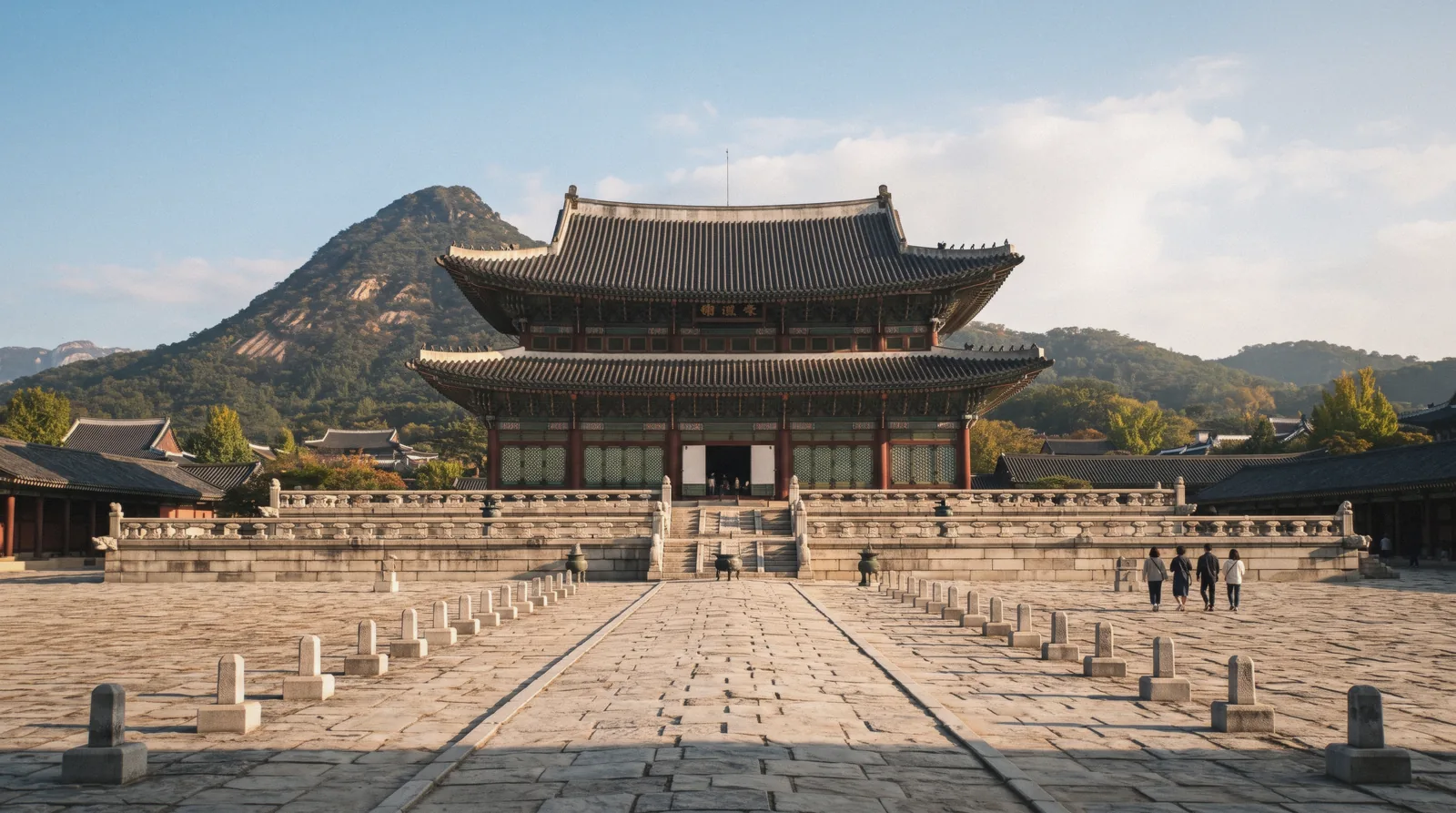
The main palace of the Joseon dynasty, founded in 1395, burned in 1592, rebuilt in the 1860s and dismantled again under Japanese rule. What stands now is a long restoration, and the pleasure is the siting: the throne hall on its terrace with Bugaksan directly behind it, and a sightline from the gate through three courtyards to the mountain.
It is also the busiest, the biggest and the one with the programme — the changing of the guard at 10:00 and 14:00, a sentry ceremony at 11:00 and 13:00, and evening openings in the published autumn and spring seasons. Two national museums stand on the grounds and cost nothing.
Give it ninety minutes, or three hours with the museums. Closed Tuesdays. Full page here.
Changdeokgung: the One That Repays Planning
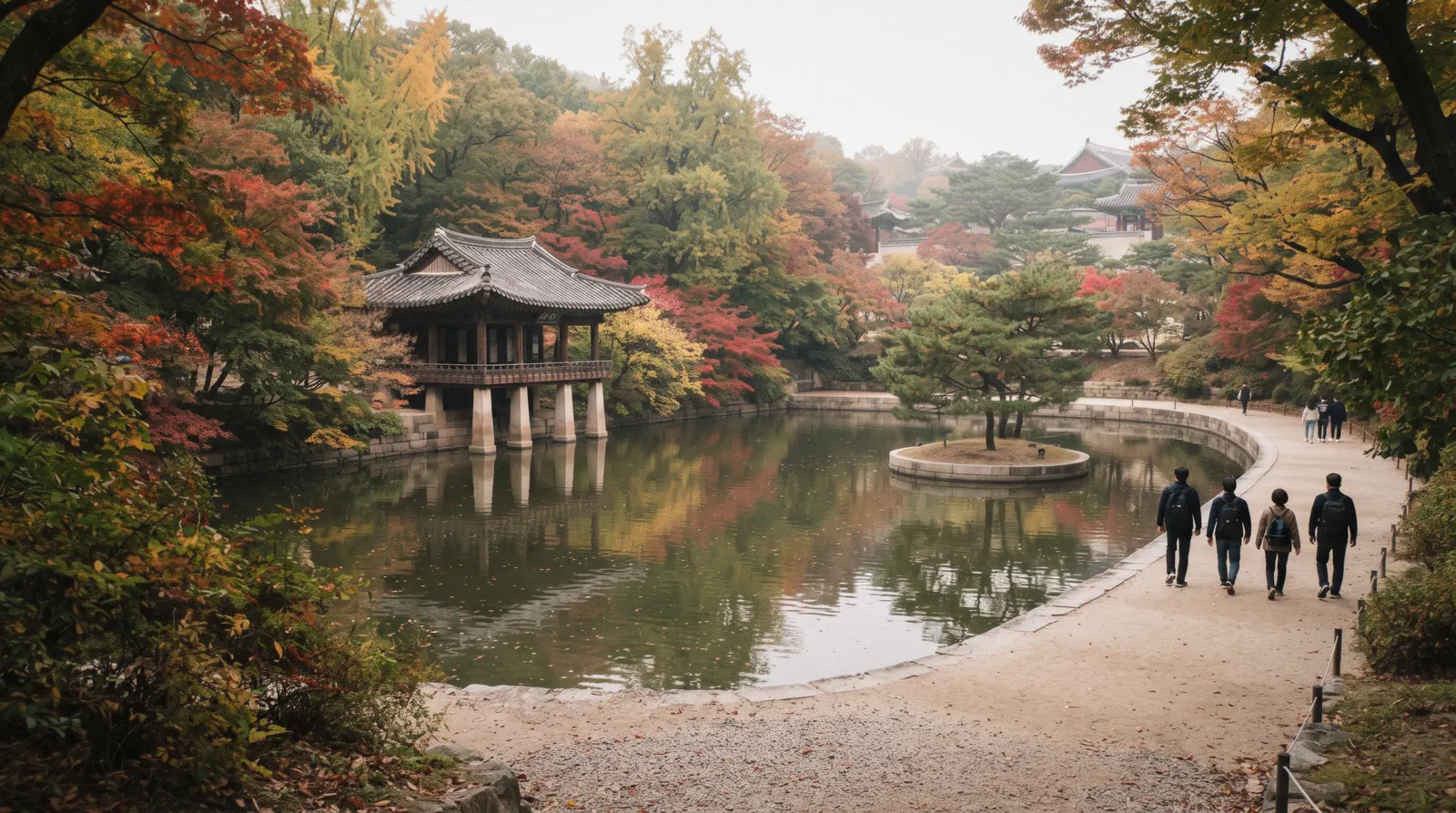
Built in 1405 as a secondary palace and used as the working seat of the court for some 270 years while Gyeongbokgung lay in ruins. UNESCO listed it in 1997 because it follows the terrain instead of imposing a grid on it, and you feel that within five minutes of Donhwamun — the oldest surviving palace gate in the city, from 1412.
The reason to come is the Huwon, the rear garden, which is guided timed entry at ₩5,000 on top of the palace ticket: ponds, pavilions, a library on a slope and a stream cut for floating wine cups. Sessions run by language, one hundred places each, half sold online six days ahead and half at the gate on the day.
Closed Mondays. Booking rules and the session timetable.
Changgyeonggung: the Park With a Palace In It
Changgyeonggung shares a wall with Changdeokgung and a connecting gate, which makes it the cheapest add-on in Seoul: forty minutes and ₩1,000 once you are already next door.
It was built for the retired queens of the fifteenth century and treated badly afterwards — under Japanese rule it was turned into a zoo and botanical garden, and the great iron-and-glass greenhouse from 1909 still stands at the top of the slope, which is the single strangest building on any palace ground in Korea. The pond below it, Chundangji, is where the city walks in autumn.
Like Deoksugung it stays open to 21:00, and the night-opening area moves with the season: the published schedule shifts visitors from the daytime zone into the lit night zone at 17:30 in winter and 18:30 in midsummer. Closed Mondays.
Deoksugung: the Evening Palace
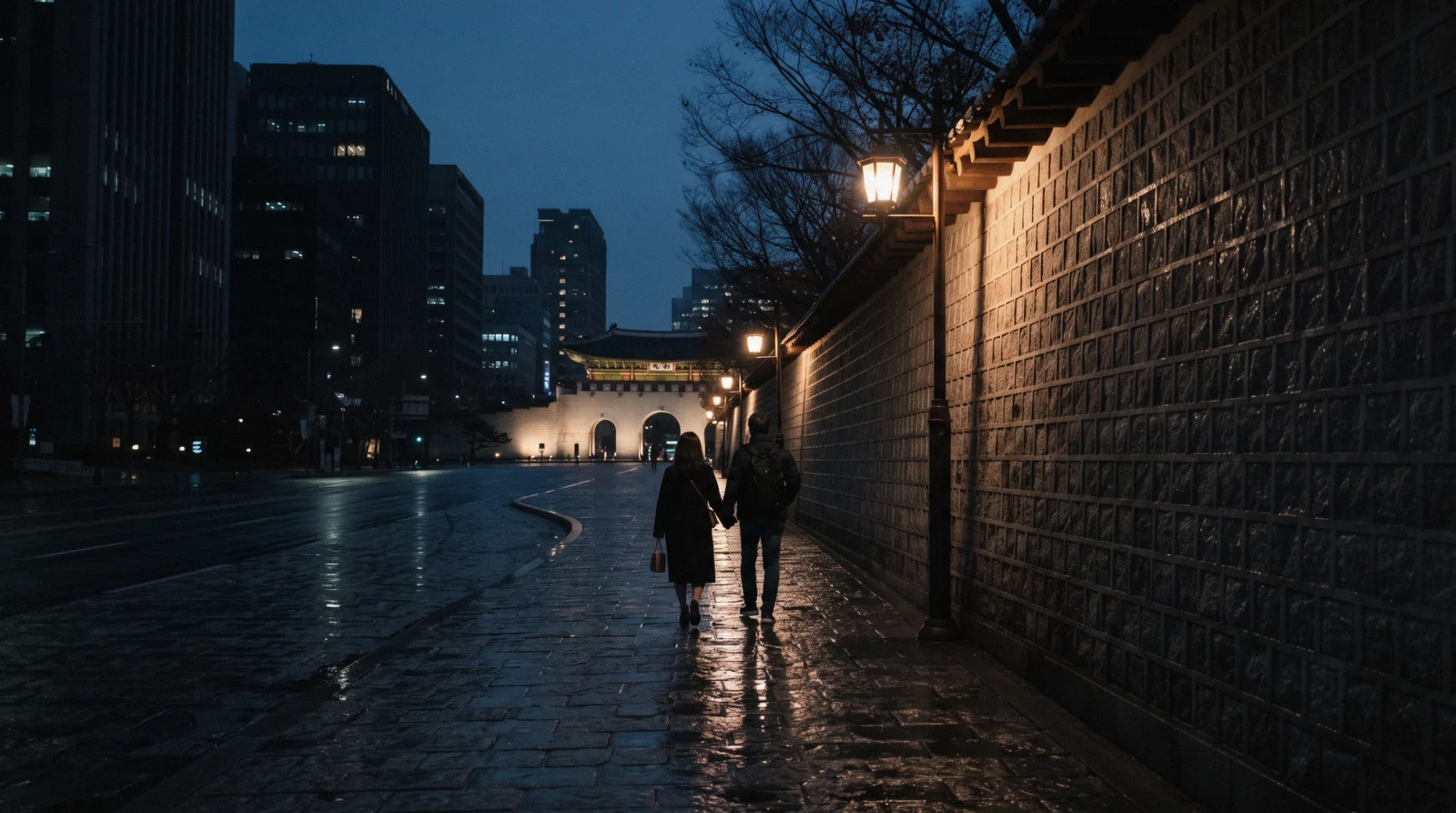
Small, central, ₩1,000, beside City Hall, and open until 21:00 every day it opens — the only one. It became a palace by default after 1592 and had its real moment three centuries later, when Gojong declared the Korean Empire here in 1897 and built a stone neoclassical hall a hundred metres from the Joseon throne hall.
The guard ceremony at Daehanmun runs at 11:00 and 14:00, thirty minutes each, and the stone-wall road along the western side is the most-photographed street in the centre.
This is the palace to keep for after dinner rather than to fit into a morning. Full page here.
Jongmyo: the One Most Visitors Skip
Jongmyo is not a palace but the royal ancestral shrine, where the spirit tablets of the Joseon kings are kept, and it is the site that stays with people longest. There is almost nothing to look at: one immense unpainted wooden hall, 101 metres long, standing above a rough stone courtyard, with no colour, no decoration and no furniture. That is the point.
It runs on timed entry on weekdays with sessions by language — English at 10:00, 12:00, 14:00 and 16:00 — and 200 places per session, half online and half at the gate. On Saturdays, Sundays and the last Wednesday of the month you can walk it freely without a session.
Entry is ₩1,000, it closes on Tuesdays with Gyeongbokgung, and it is eight minutes' walk from Changdeokgung. UNESCO listed it in 1995, two years before Changdeokgung.
How to Fit Them Into Two Mornings
The five sites sit in a rough L across the north of the old city, and the closing days split the week, so a plan has to start with the calendar rather than the map.
A Monday, Wednesday, Thursday, Friday or Saturday works for Gyeongbokgung; any day but Monday works for Changdeokgung, Changgyeonggung and Deoksugung; Jongmyo follows Gyeongbokgung onto Tuesday. That leaves Wednesday to Sunday as the days when everything is open, and Monday and Tuesday as days when you take one half of the list. The full closed-day map is here.
Morning one: Gyeongbokgung from 09:00, the guard change at 10:00, then the National Palace Museum, then downhill through Bukchon.
Morning two: Changdeokgung with a booked Huwon session, through the connecting gate into Changgyeonggung, then south to Jongmyo. Finish at Deoksugung after dark on the same ₩6,000 ticket, and you have seen all five for the price of two.
Guided Visits to the Palace Quarter
Routes that cover several palaces with a guide, and the hanbok that makes them free. Ratings and prices are the operators' own figures, checked in Q3 2026.
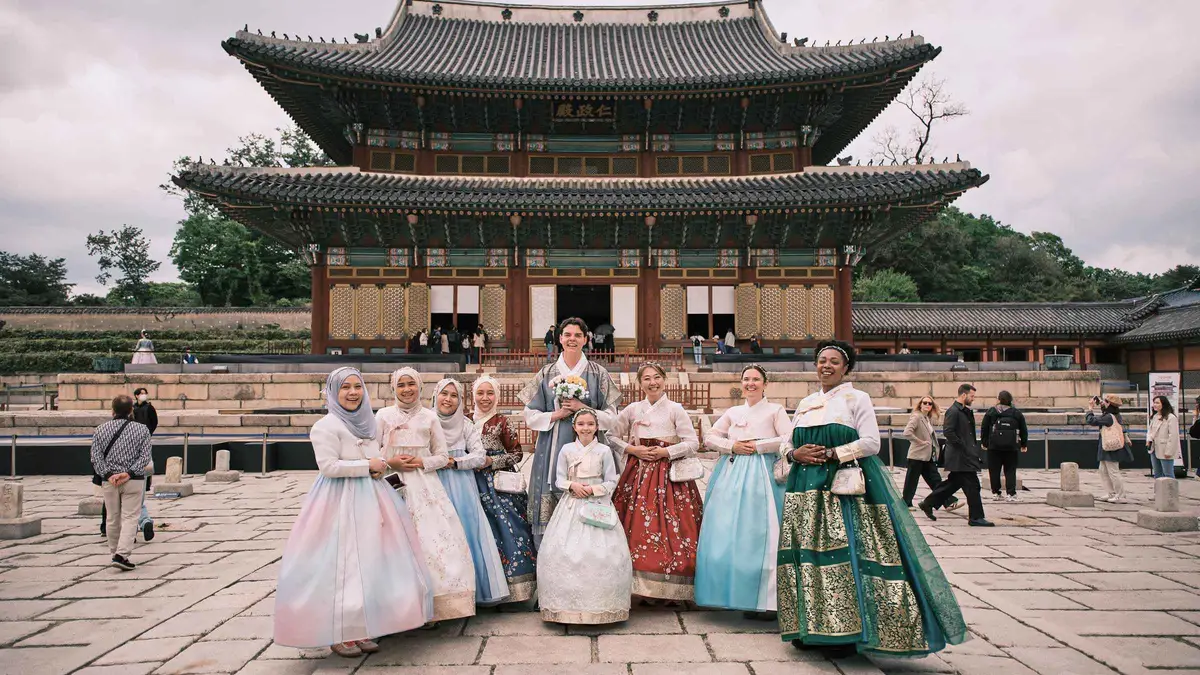 from $32
Seoul: UNESCO Palace History Tour, Photos & Optional Hanbok
Explore UNESCO-listed Changdeokgung with an English-speaking history guide. Discover royal stories, enjoy casual travel photos, and choose to enhance your experience with optional.
Check Availability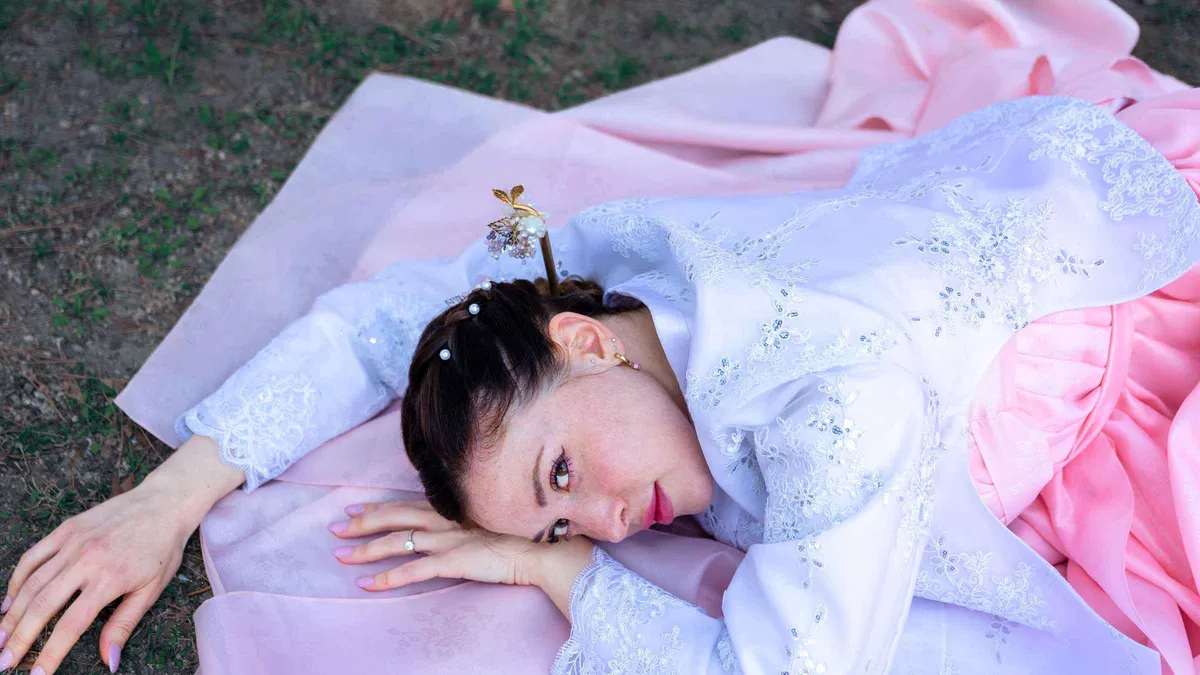 from $7.31
Seoul: Hanbok Rental with Gyeongbokgung Palace Entry
Wear a Korean Hanbok and explore Gyeongbokgung Palace with this experience. Choose your preferred Hanbok, match your hairstyle to the Hanbok, and discover the nearby.
Check Availability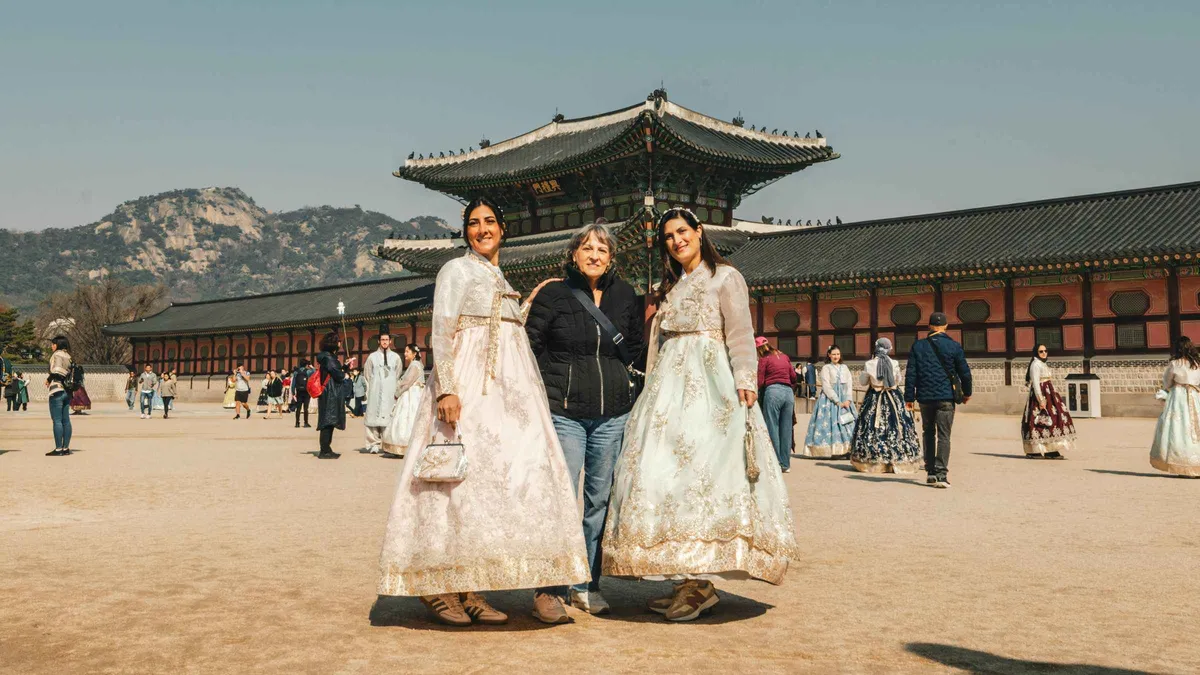 from $57
Seoul: Half-Day City Highlights & Palace Tour with Hanbok
Step back in time at Gyeongbokgung Palace and Bukchon Hanok Village on this small-group walking tour (max 15) in Seoul. Choose a tour with or without a Hanbok and enjoy tasty snacks along the.
Check Availability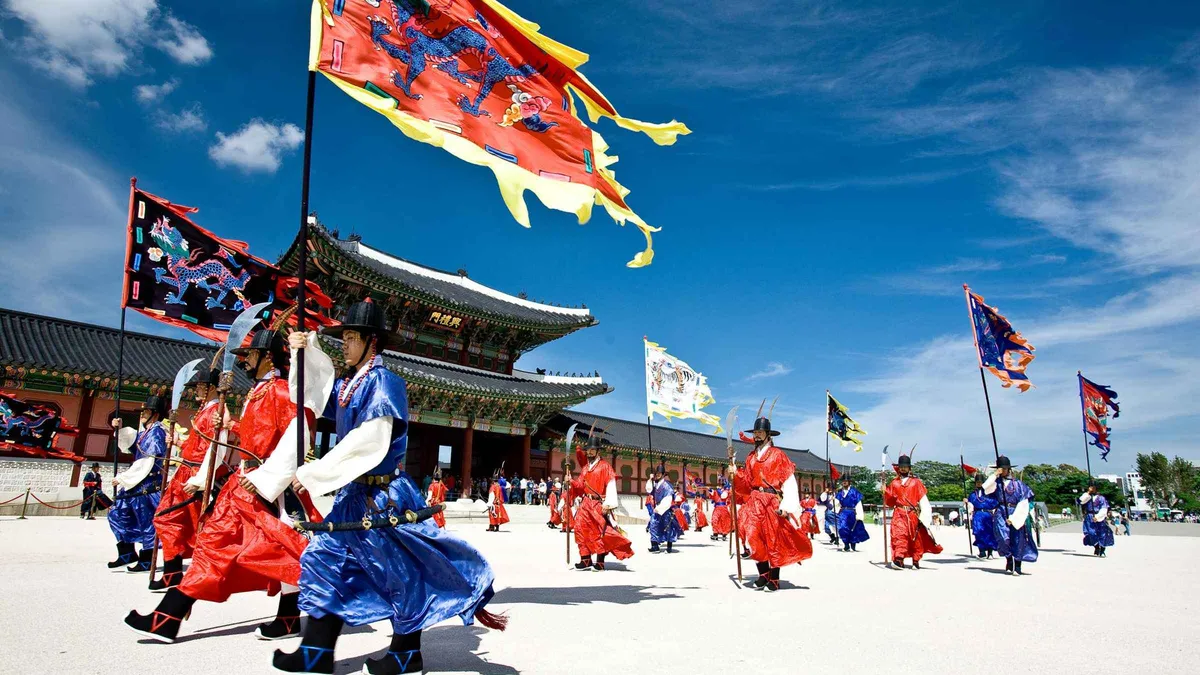 from $33
Seoul: Gyeongbok Palace, Hanok Village, and Gwangjang Tour
See the beautiful northern sides of Seoul as you visit Gyeongbokgung Palace and Hanok village. Later, enjoy a panorama view at Bugak Palgakjeong and try delicious snacks at Gwangjang.
Check AvailabilityPrices, ratings and details are the platform's own, checked in Q3 2026; dollar figures are the listed prices — the platform bills in your account's currency.
Seoul Palace Questions
How many palaces are there in Seoul?
Five Joseon royal palaces — Gyeongbokgung, Changdeokgung, Changgyeonggung, Deoksugung and Gyeonghuigung — plus Jongmyo, the royal ancestral shrine. The ₩6,000 integrated ticket covers four of the palaces and the shrine.
Which palace in Seoul is a must-visit?
Gyeongbokgung if you see only one: it is the largest, it has the guard ceremony, and two free museums stand on the grounds. If you have a second morning, Changdeokgung's Huwon garden is the better hour.
Can I visit all five palaces in one day?
Physically yes, sensibly no — and the closing days make it impossible on a Monday or a Tuesday. Two mornings covers all of them without rushing, and the integrated ticket stays valid for six months in any case.
Which Seoul palace is UNESCO-listed?
Changdeokgung, listed in 1997, and Jongmyo shrine, listed in 1995. Gyeongbokgung is not on the list, being a modern reconstruction of a repeatedly destroyed site.
Are the palaces free with hanbok?
Yes, at all of them, provided the outfit is a matching top and bottom. Changdeokgung's Huwon garden still charges its ₩5,000. What counts as hanbok.
Which palace is open at night?
Deoksugung and Changgyeonggung run to 21:00 every day they open. Gyeongbokgung opens at night only in its published seasons — autumn 2026 runs 2 September to 2 October.
Reviewed Q3 2026 (July–September 2026); next review Q4 2026. Prices, hours and terms are set by the venue or operator and confirmed at checkout.
We may earn a commission if you book through one of our links, at no extra cost to you. Full affiliate disclosure