Gyeongbokgung Palace rooftops with Bugaksan and the Jongno skyline behind them at dusk, Seoul, South Korea
Seoul, South Korea: An Independent City Guide
Almost nothing in Seoul, South Korea is expensive and almost everything runs on a rule — which palace closes on which day, when the garden slots open, what a transport card charges before half past six. This guide prints those rules with the official page they came from and the date we read it.
A transport card charges ₩1,550 a metro ride and gives free transfers within 30 minutes; tapping in before 06:30 takes 20% off. The card rules are here.
Seoul's Must-See List, in the Order a First-Timer Walks It
Seoul is not a city you tick off in a straight line, but a first visit does have an order that works: the palace quarter in the mornings while the courtyards are empty, the markets and streams in the afternoon, and one view at height after dark. These eight sit on two walking loops north of the river, plus one crossing to Jamsil.
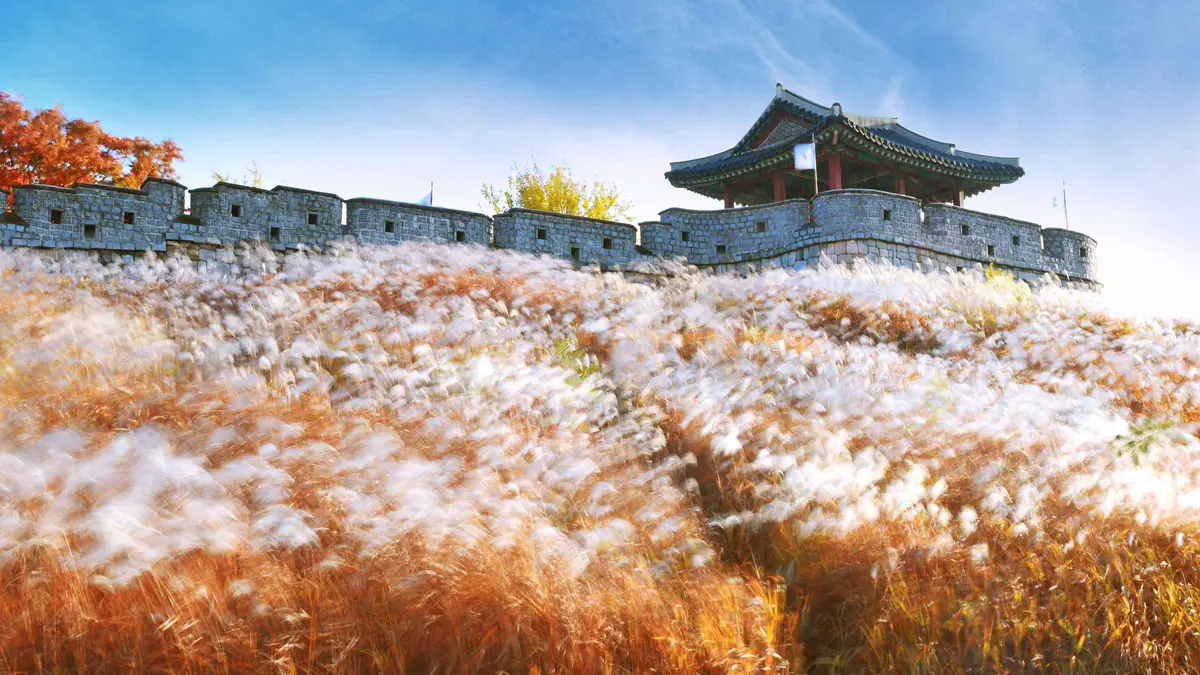
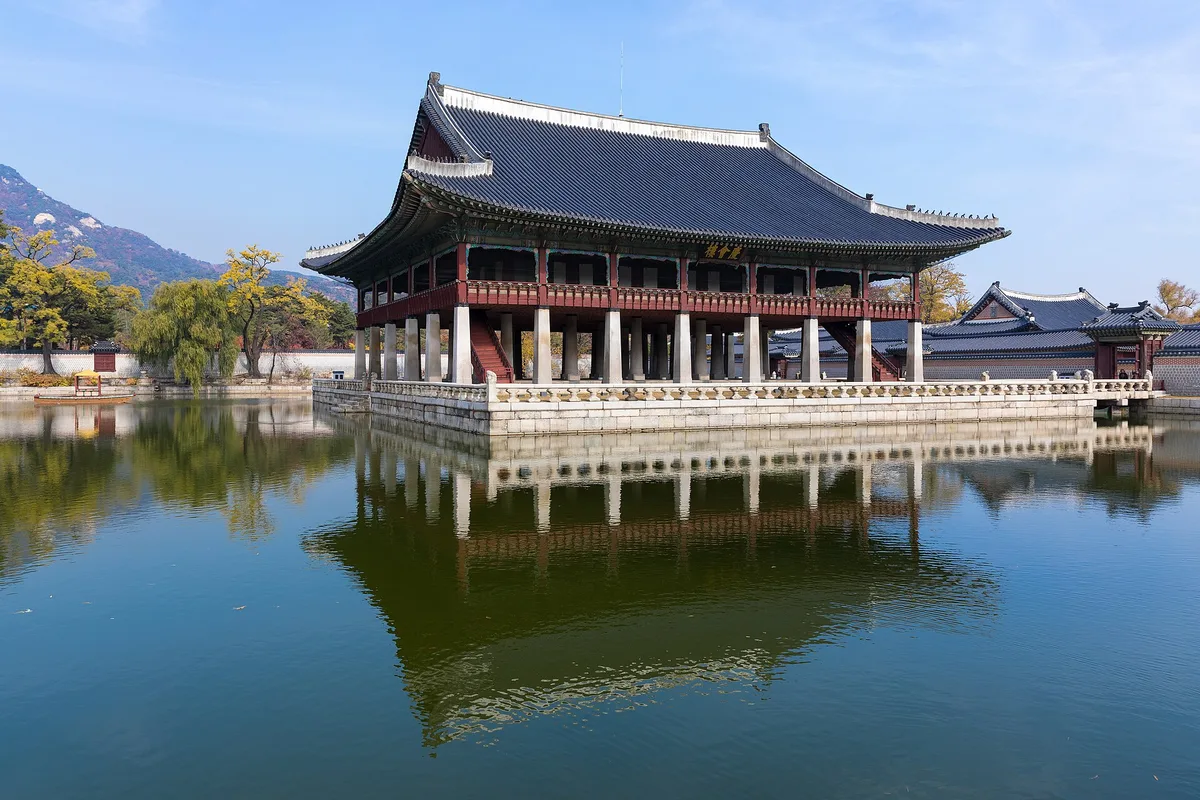
1. Gyeongbokgung Palace
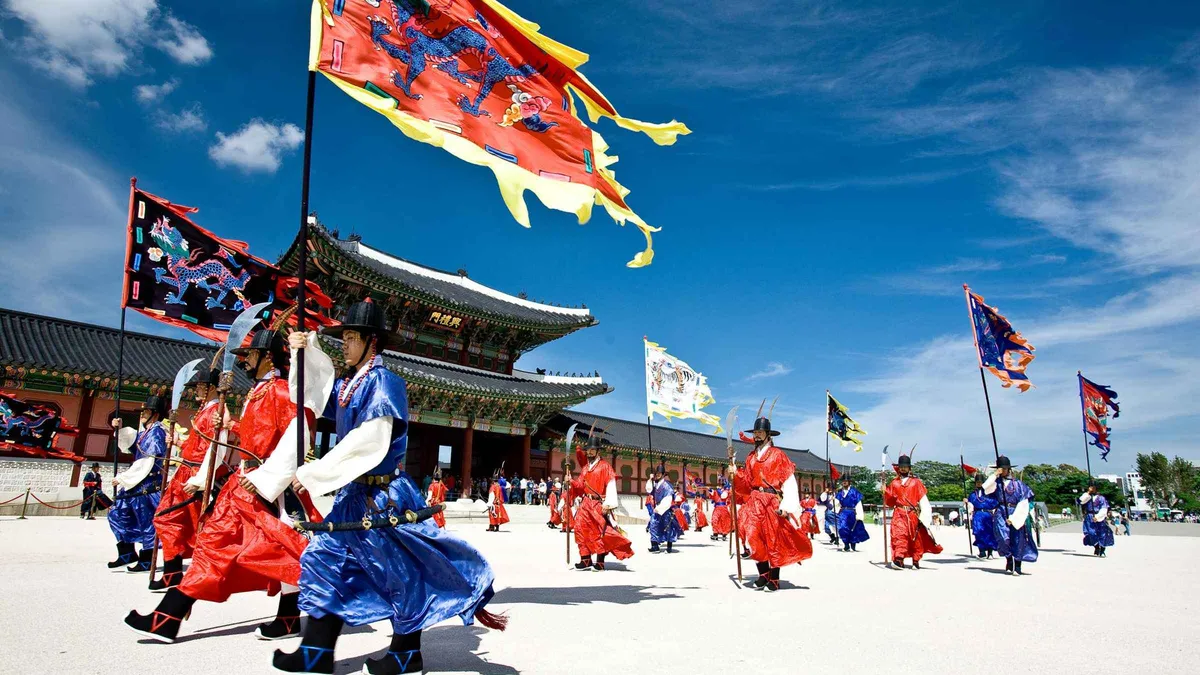
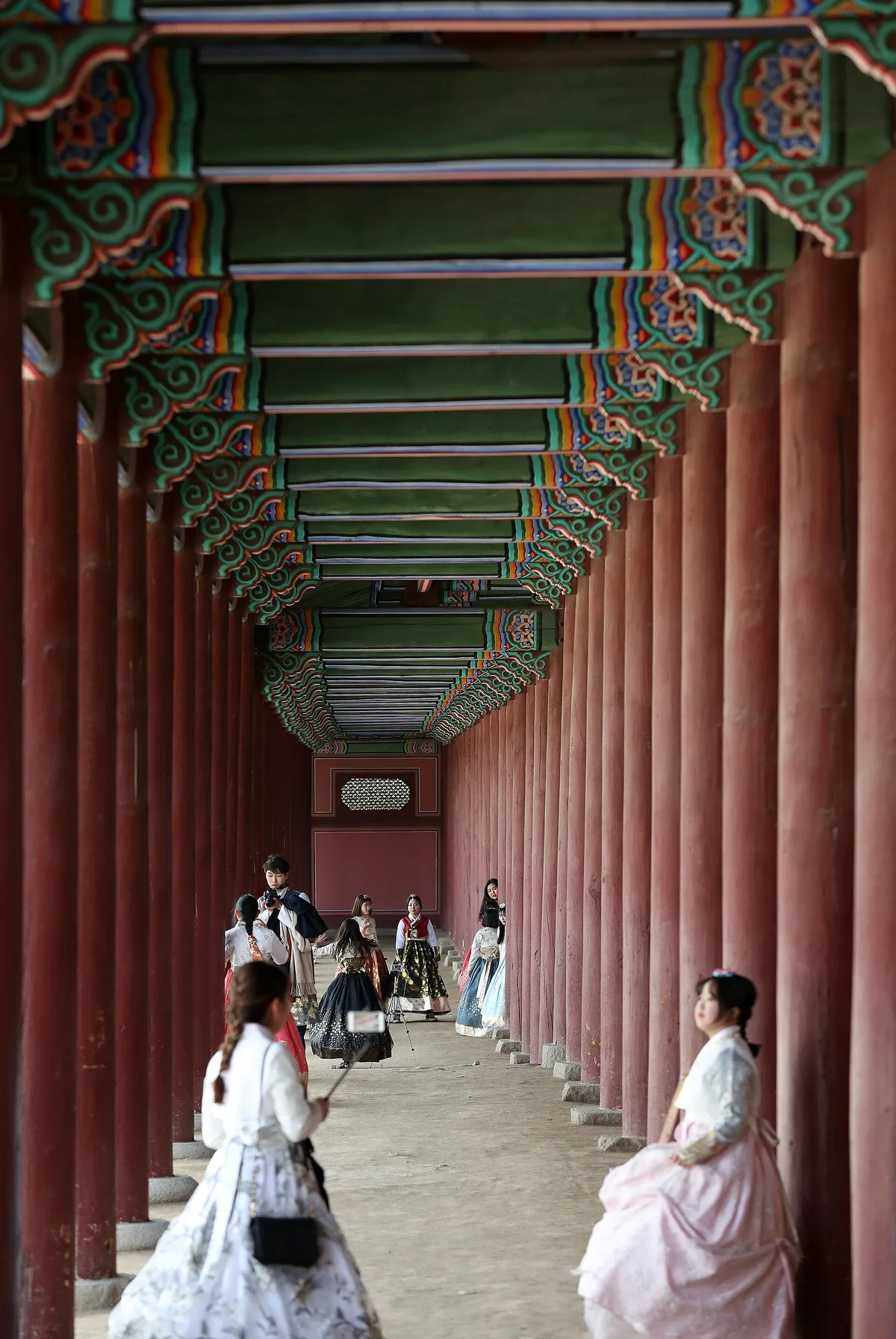
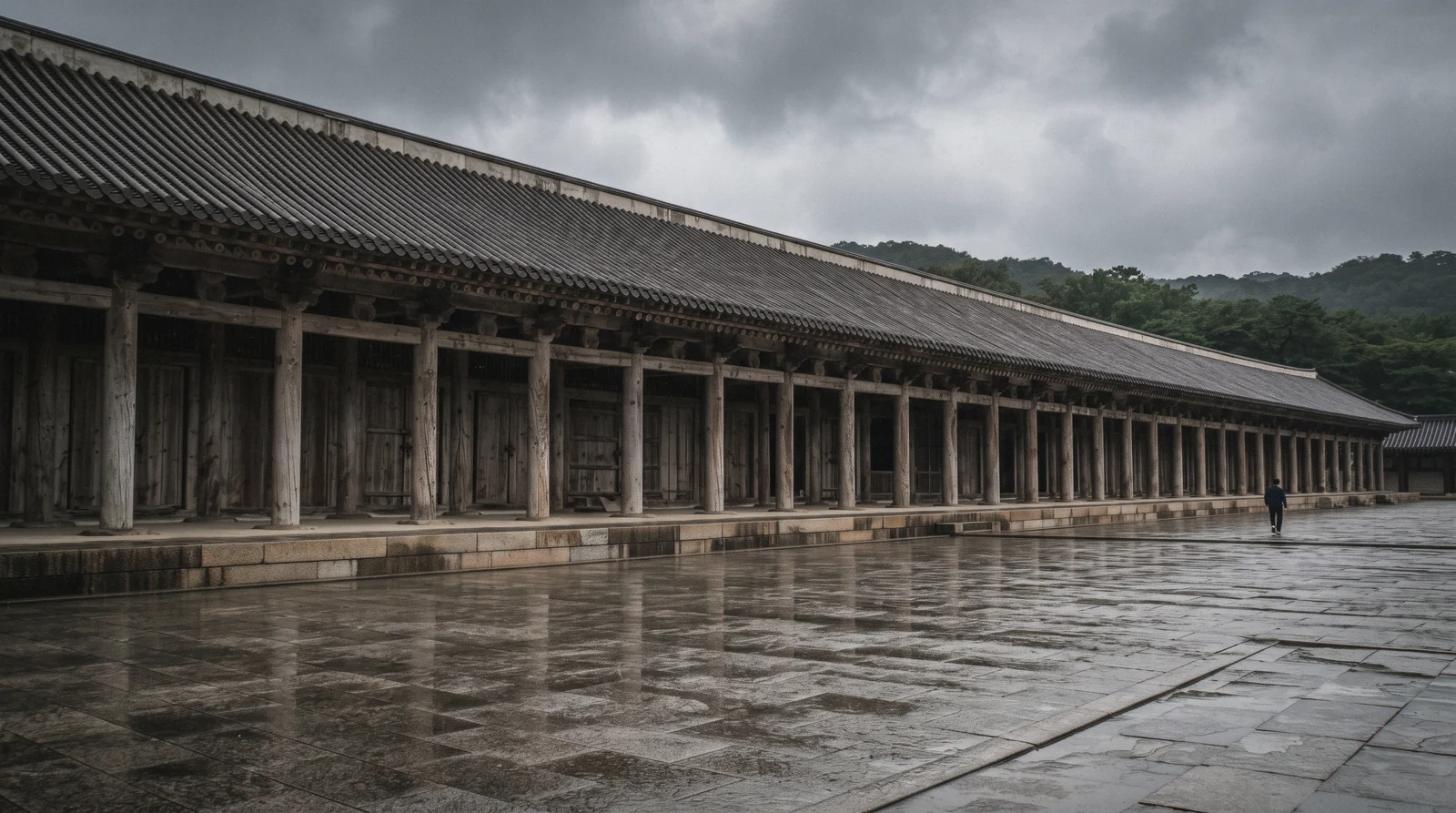
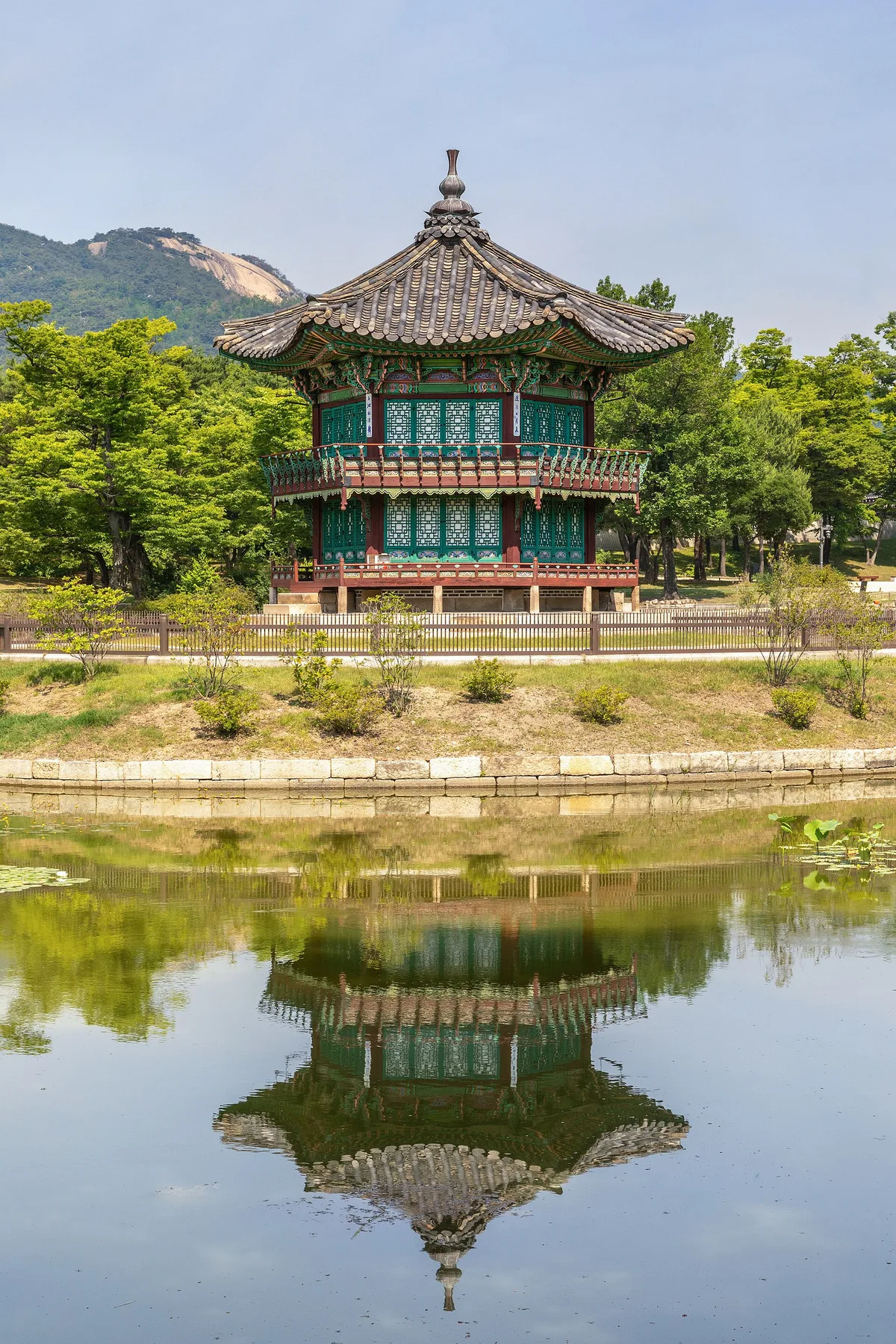
The largest of the five royal palaces, and the one to take at 09:00 before the tour groups. Adult entry ₩3,000 (about $2.20), free in full hanbok, and closed on Tuesdays rather than Mondays — which is the single most expensive mistake in a short Seoul itinerary. The changing of the royal guard is the reason to be there in the morning, and three smaller ceremonies run around it through the day.
Note that Geunjeongjeon's woldae terrace is closed to visitors from 2 September to 31 October 2026 for conservation work. Two national museums stand inside the grounds and cost nothing, and the palace opens at night in its published autumn season. The full ceremony timetable and the autumn dates are on the Gyeongbokgung page.
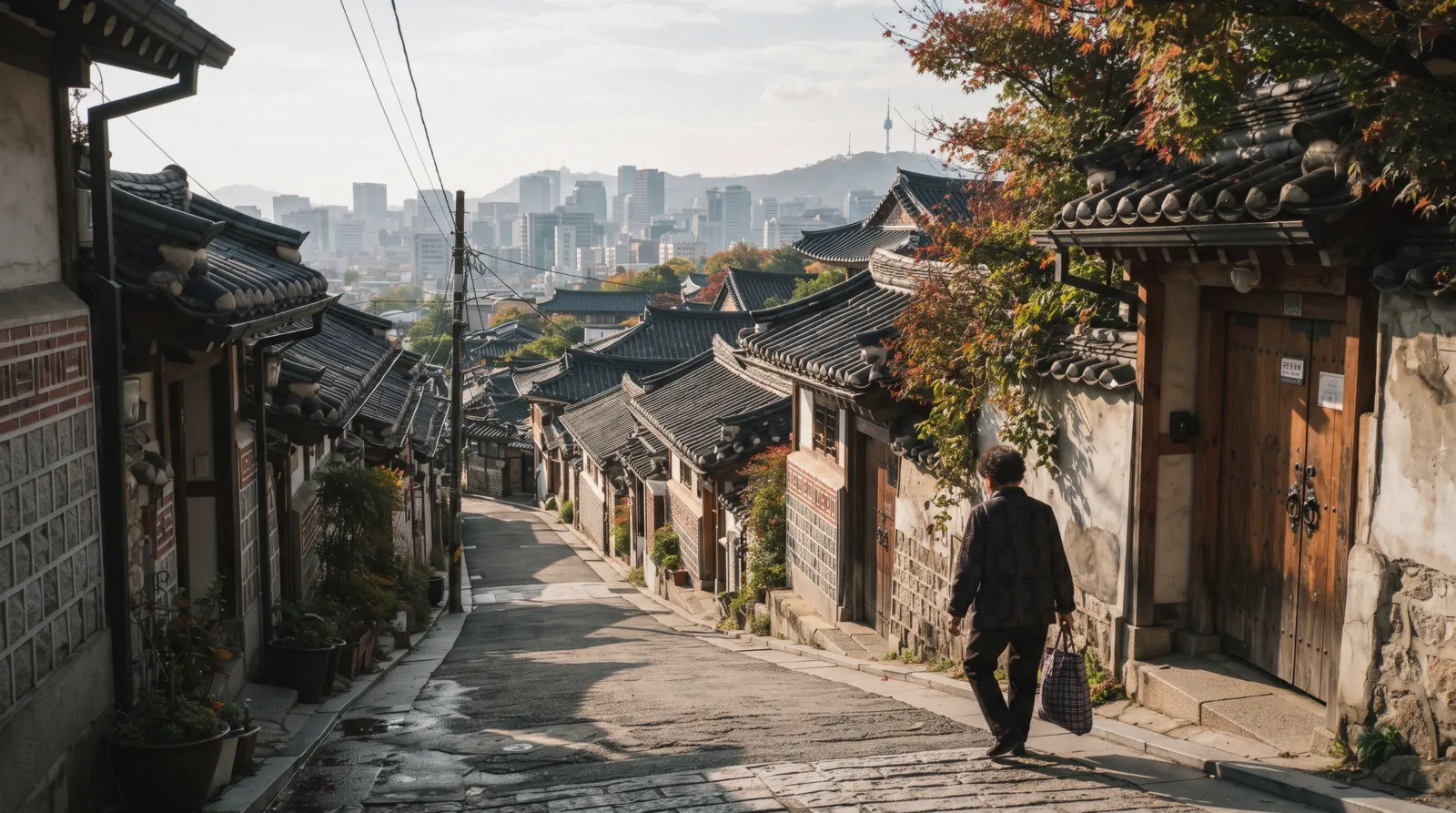
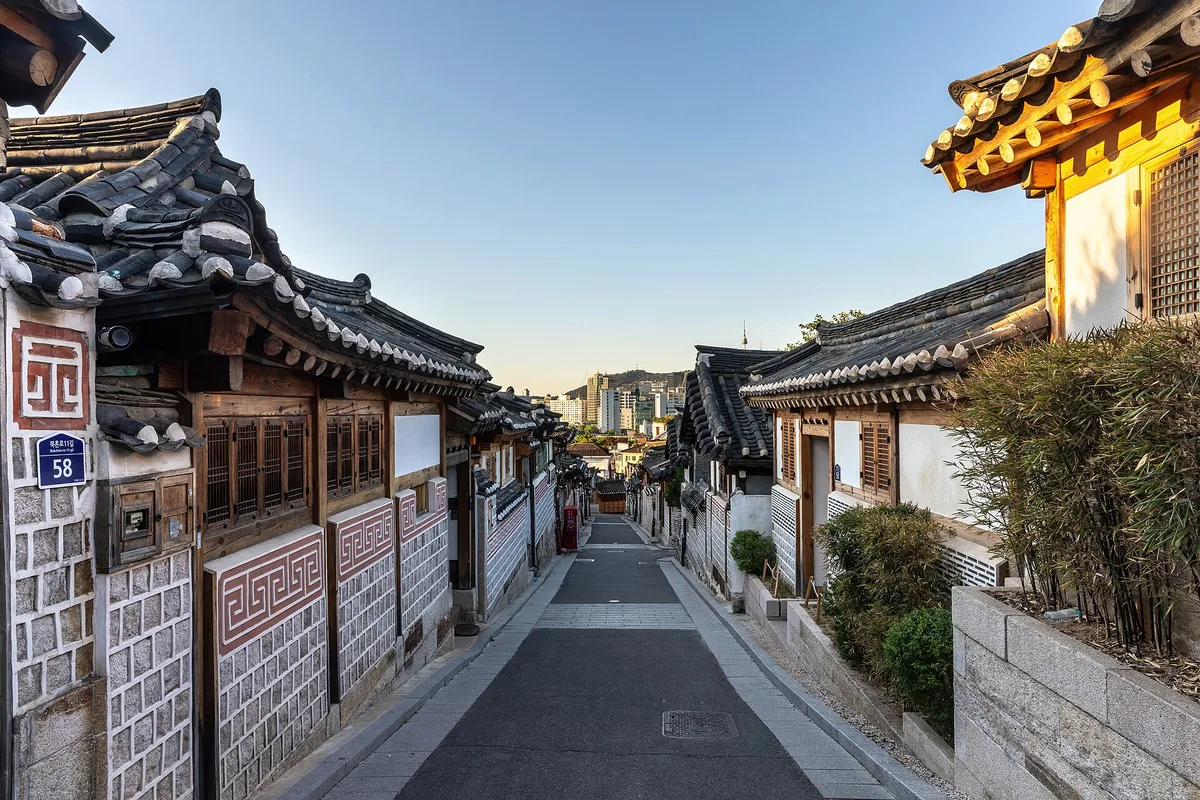
2. Bukchon Hanok Village
A hillside of tiled hanok roofs between the two big palaces, and a residential neighbourhood rather than an open-air museum — which is why Jongno-gu now restricts tourist access to the lanes around Bukchon-ro 11-gil to the hours between 10:00 and 17:00, with a ₩100,000 fine outside them. Go on the way down from Gyeongbokgung, allow forty minutes, and keep to the marked routes. What is open and what is not is on the Bukchon page.
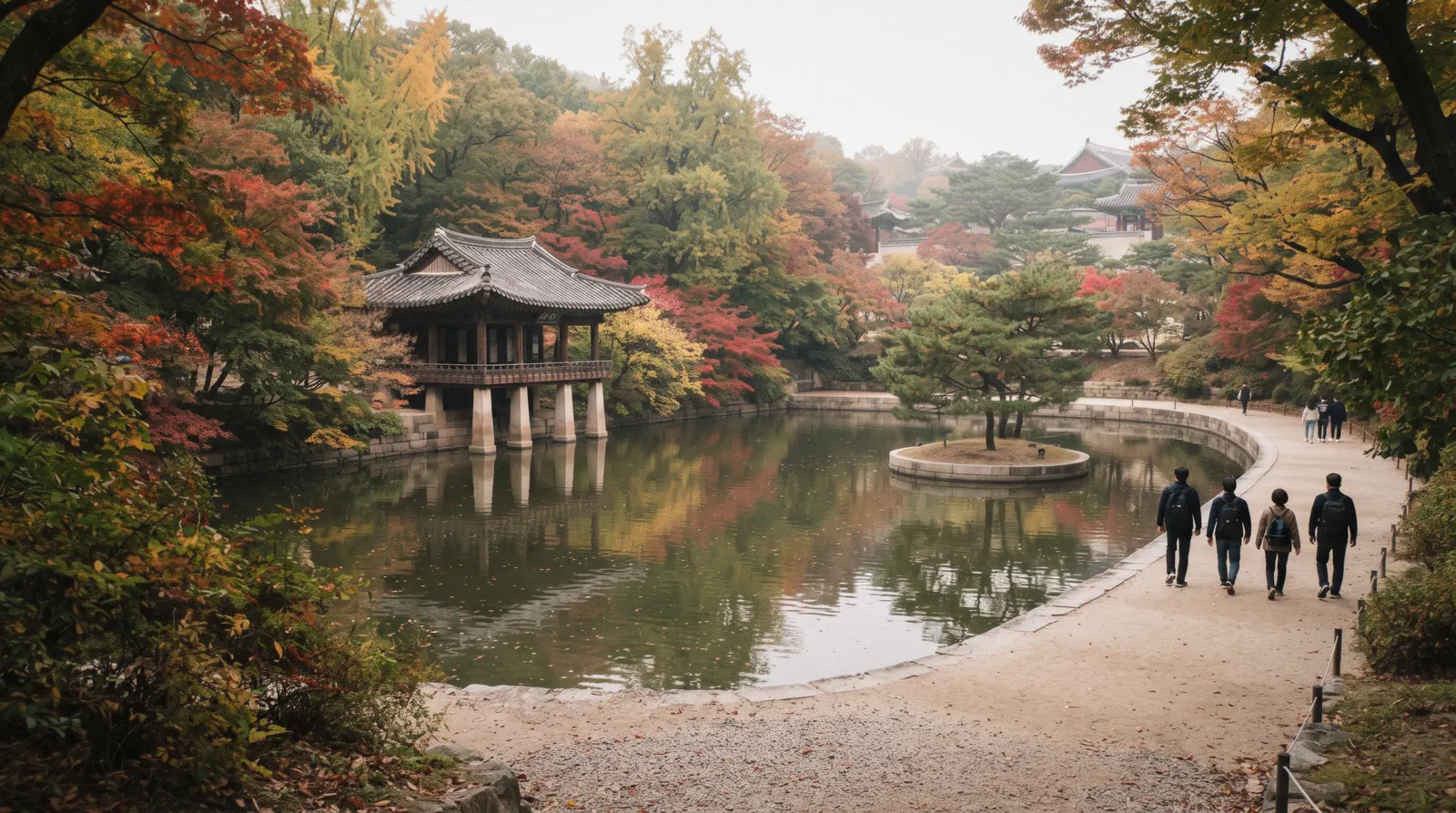
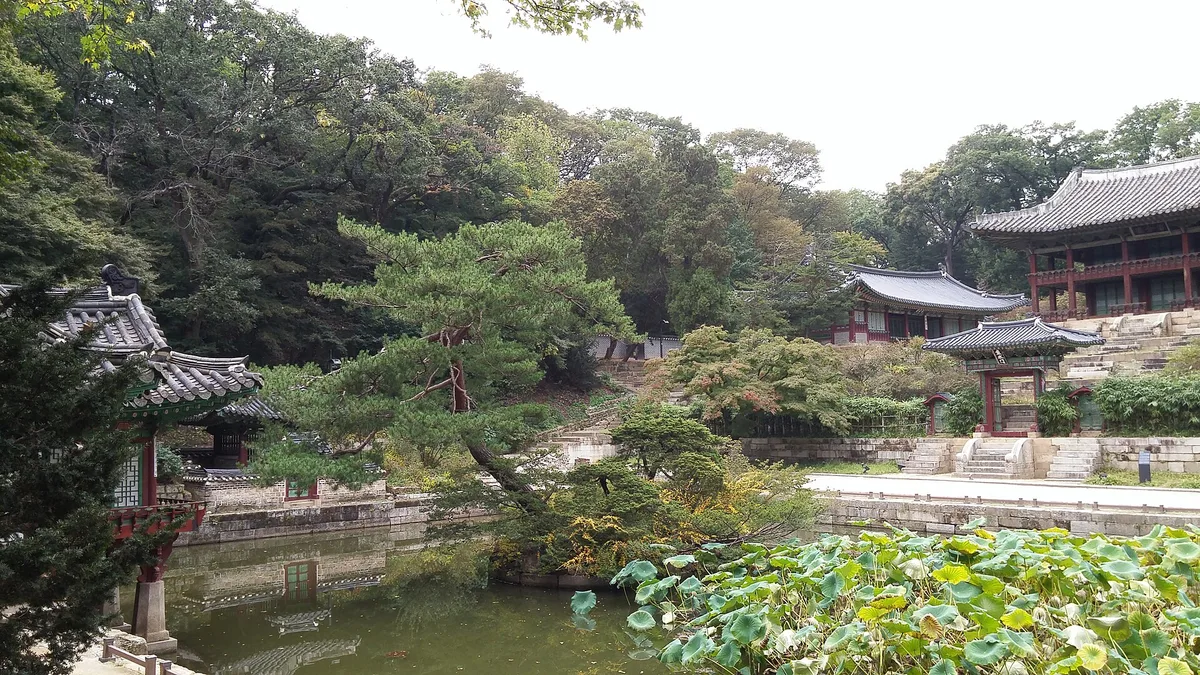
3. Changdeokgung and the Huwon Garden
The UNESCO-listed palace, laid out around the hills instead of on a grid, and the only one whose garden needs planning. The palace is ₩3,000; the Huwon garden is a further ₩5,000 on timed guided entry, with sessions run separately by language and half the places released online six days ahead. Closed Mondays. Session times, the booking window and what the walk covers.
4. Jongmyo Shrine
The Joseon royal ancestral shrine, and the quietest major site in the centre: one immense unpainted hall along a raised stone court, with nothing decorative anywhere. Entry ₩1,000, closed on Tuesdays, and on weekdays it runs on timed language sessions — English at 10:00, 12:00, 14:00 and 16:00 — while Saturdays and Sundays are free walking. It is eight minutes from Changdeokgung and covered by the ₩6,000 integrated ticket.
5. Gwangjang Market
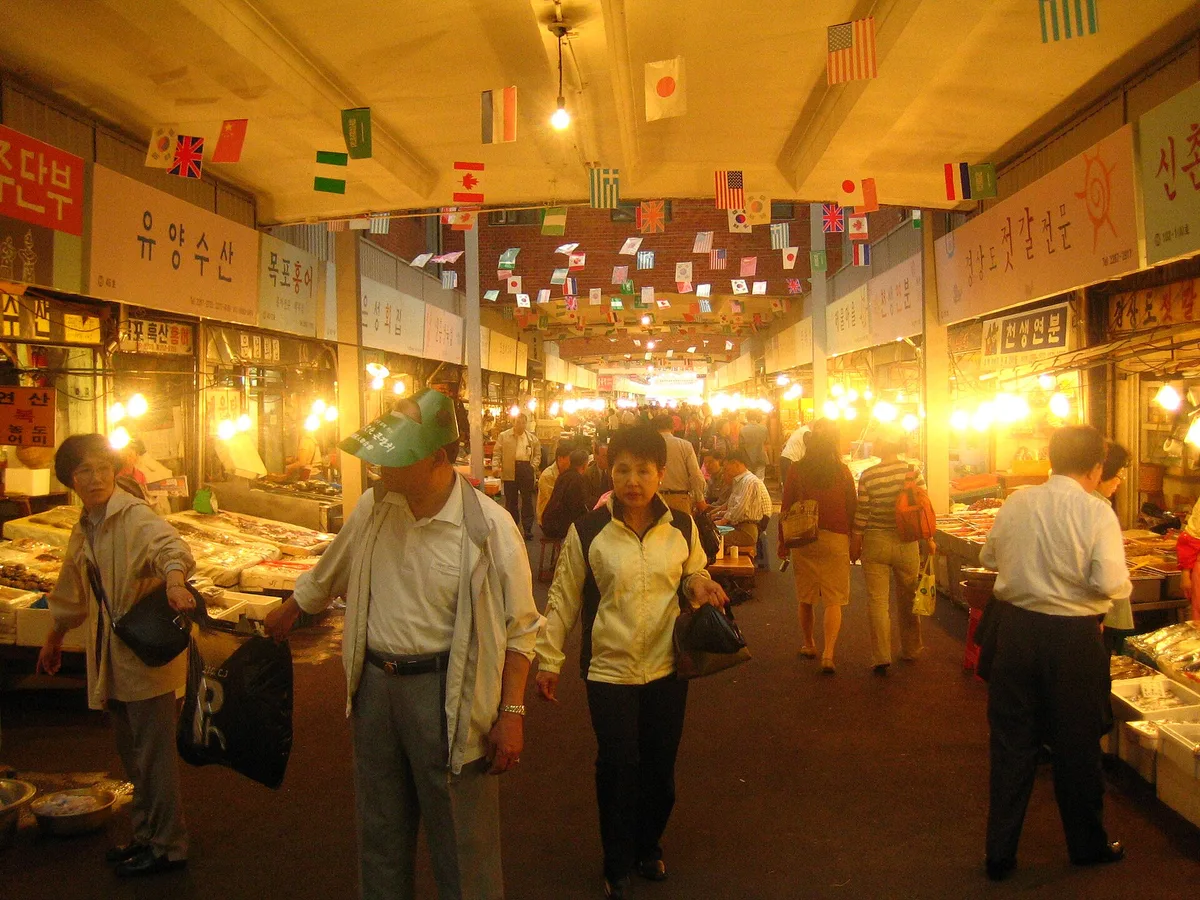
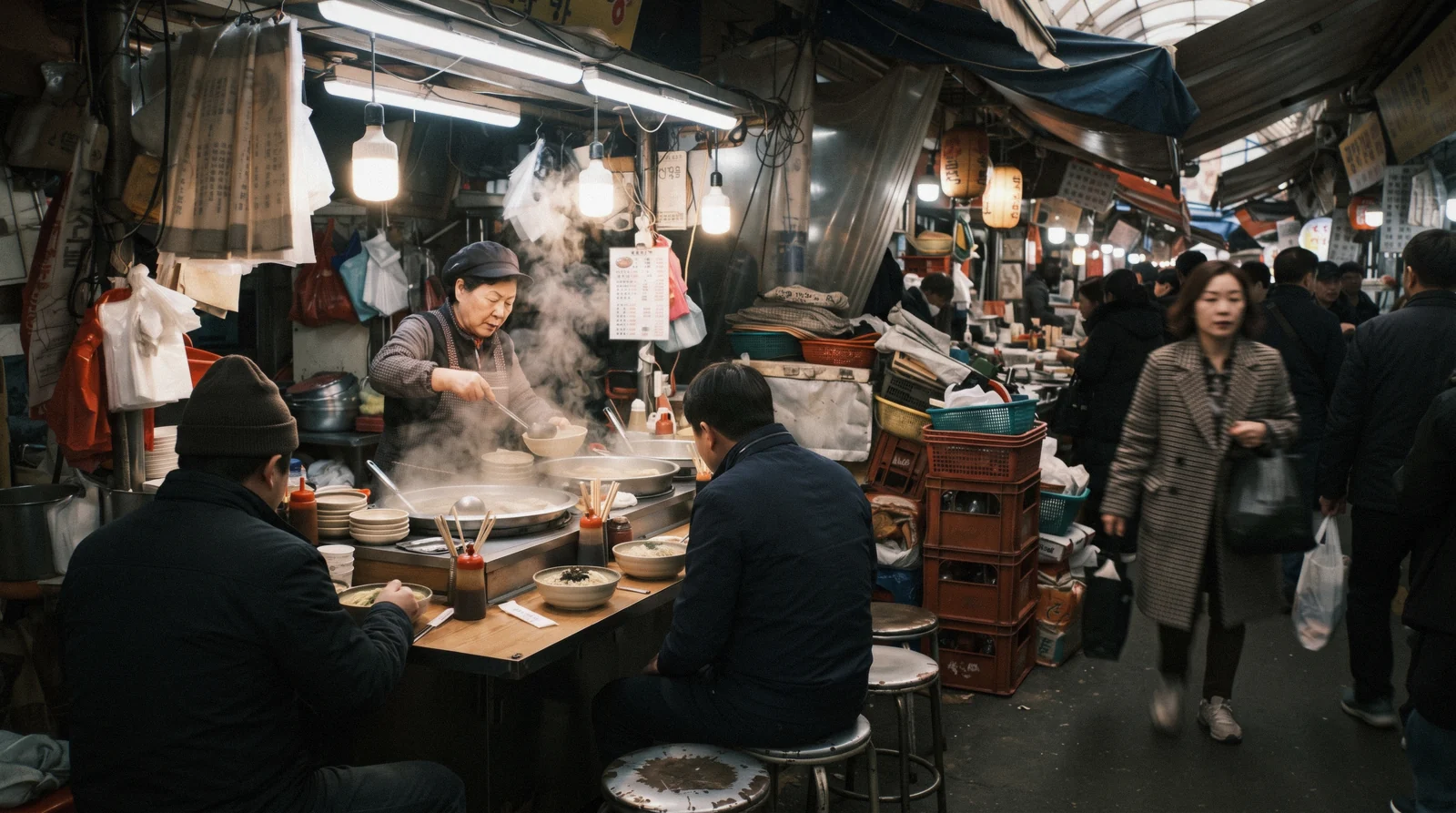
The oldest daily market in Seoul and the best lunch in the centre: mung-bean pancakes fried in a pan of oil, knife-cut noodles, raw beef tartare, and a counter stool rather than a table. Expect ₩8,000–₩15,000 a head. It runs on its own calendar rather than the museum week — the stalls rest on Sundays and on lunar-calendar dates, not Mondays. What to order and which alley to use.
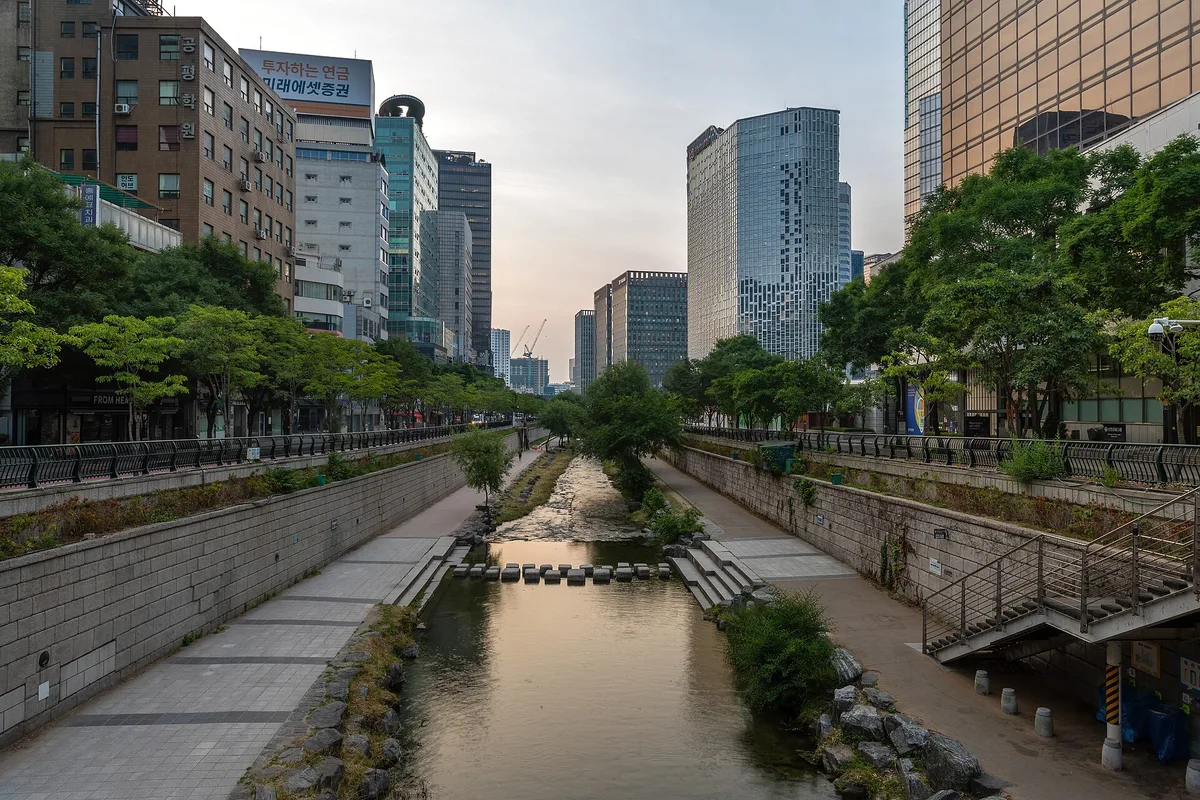
6. Cheonggyecheon Stream
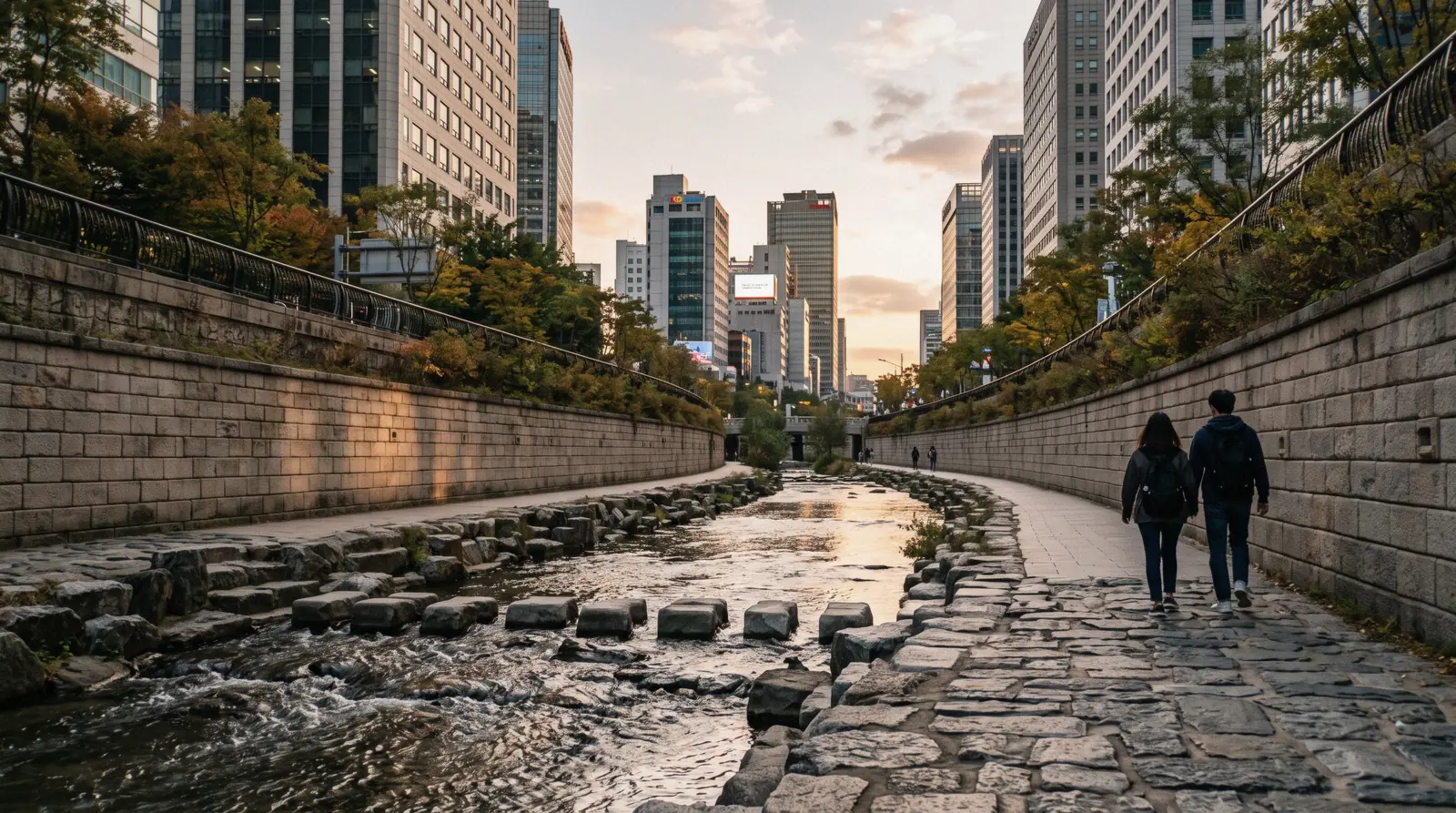
A restored stream running eleven kilometres east to west, sunk below the traffic and lined with a walkway the whole way. It is the fastest way to cross the centre on foot without a single crossing light, and it drops the temperature noticeably on an August evening. Free, open at all hours, and it passes within a few minutes of Gwangjang Market, Insadong and Dongdaemun. The walkable stretches are here.
7. N Seoul Tower on Namsan
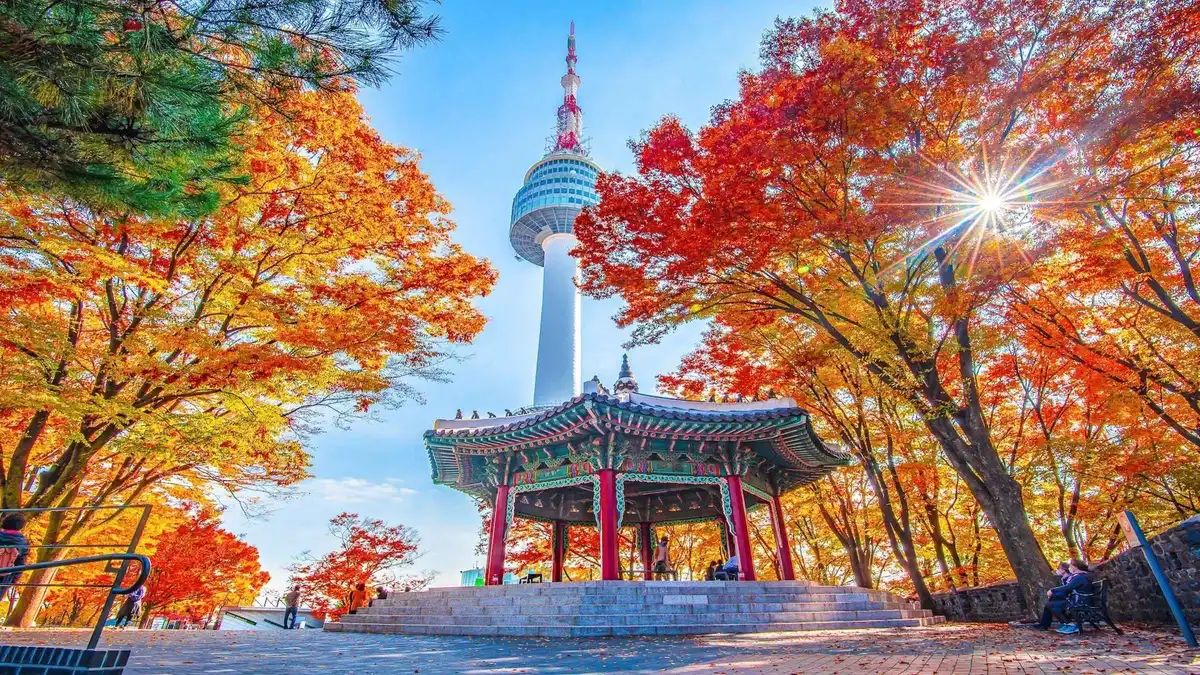
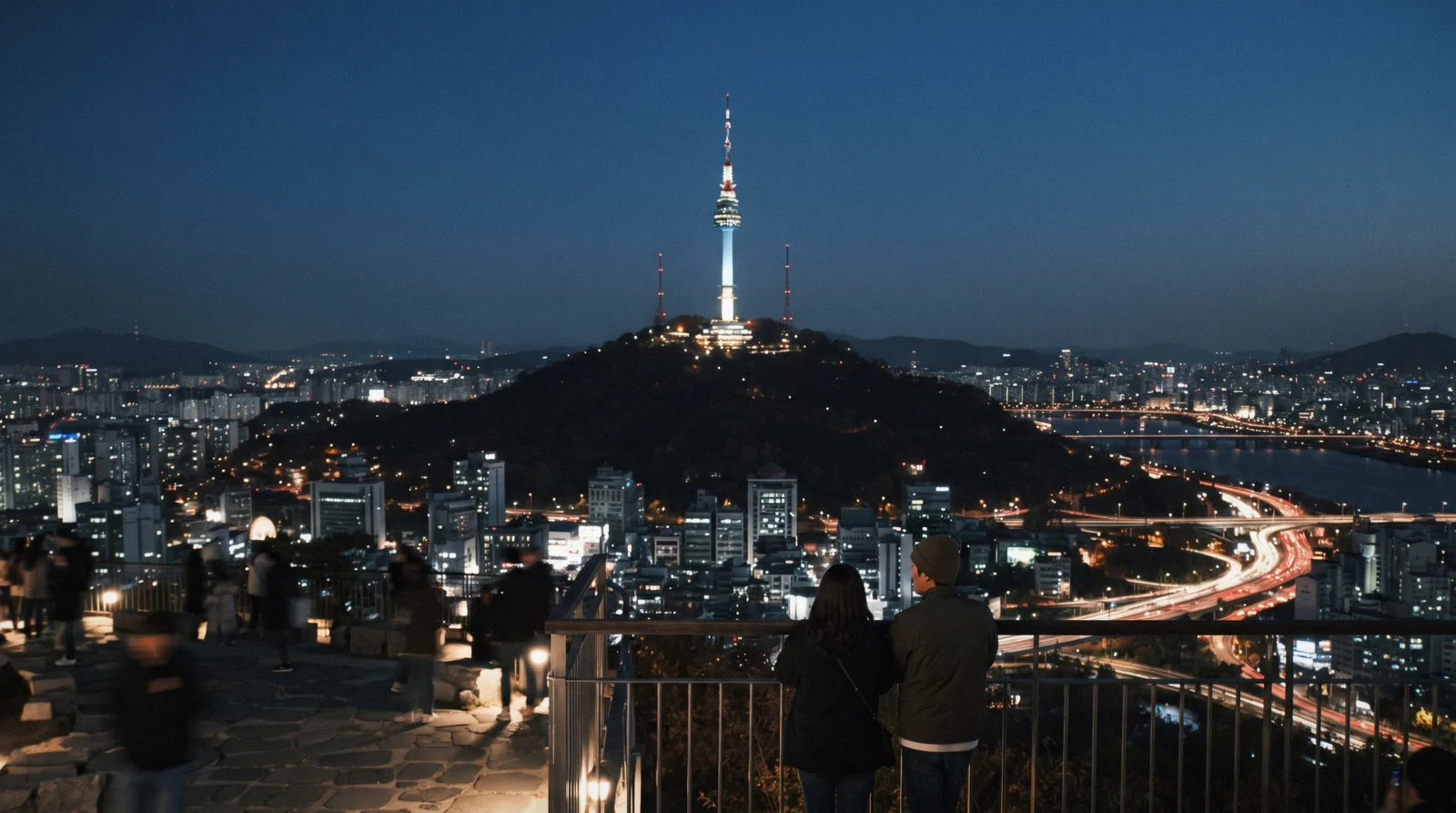
The evening view, and the one where the free part is most of the experience: the plaza and terraces at the base of the tower cost nothing, because the mountain has already done 270 metres of the work. The observatory itself is ₩29,000 (about $21), open to 22:30 on weekdays and 23:00 at weekends, every day of the year. Take the yellow circular bus up for ₩1,200 rather than queueing for the cable car, then walk down to Myeongdong. Routes up and whether the ticket is worth it.
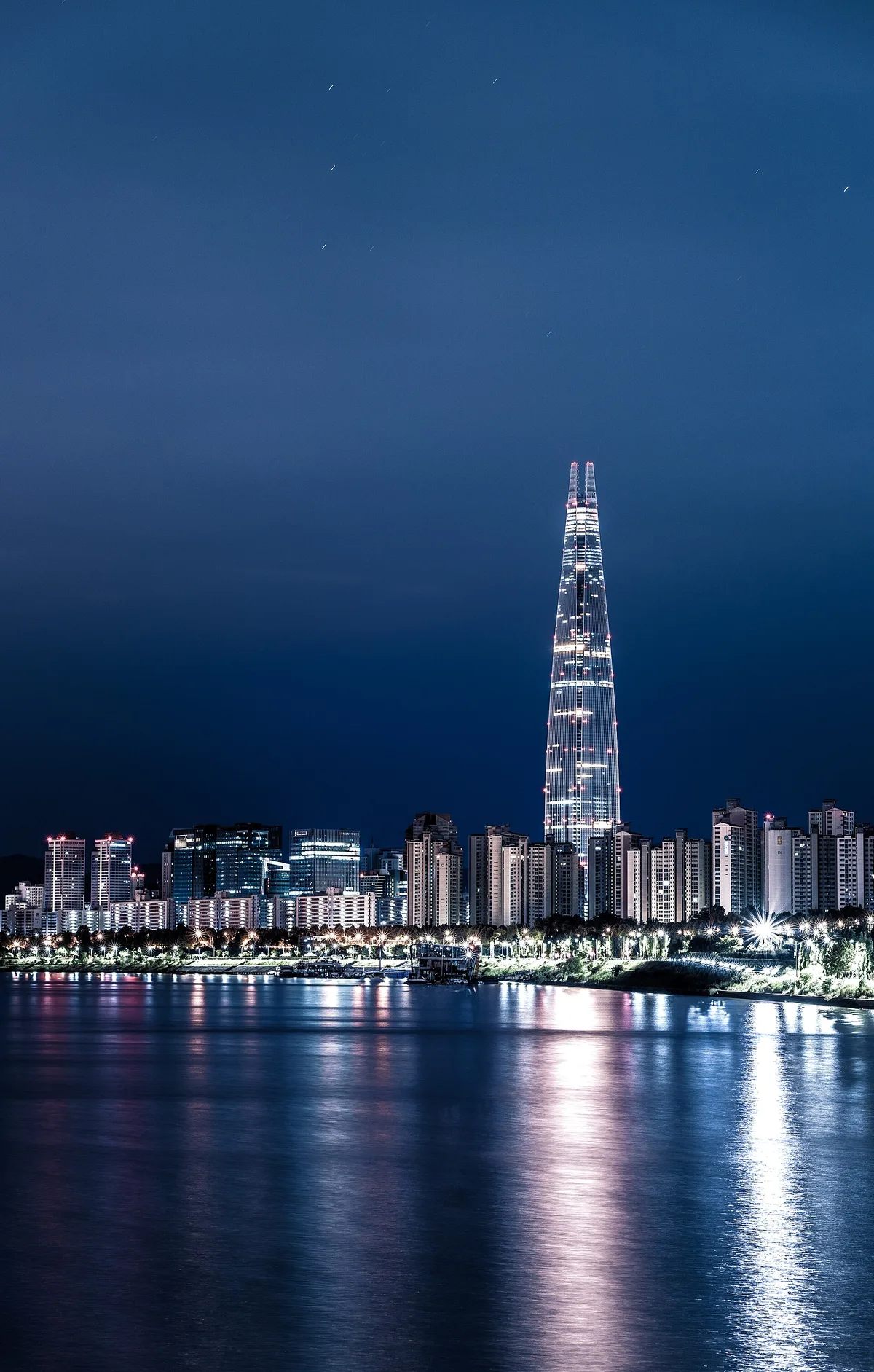
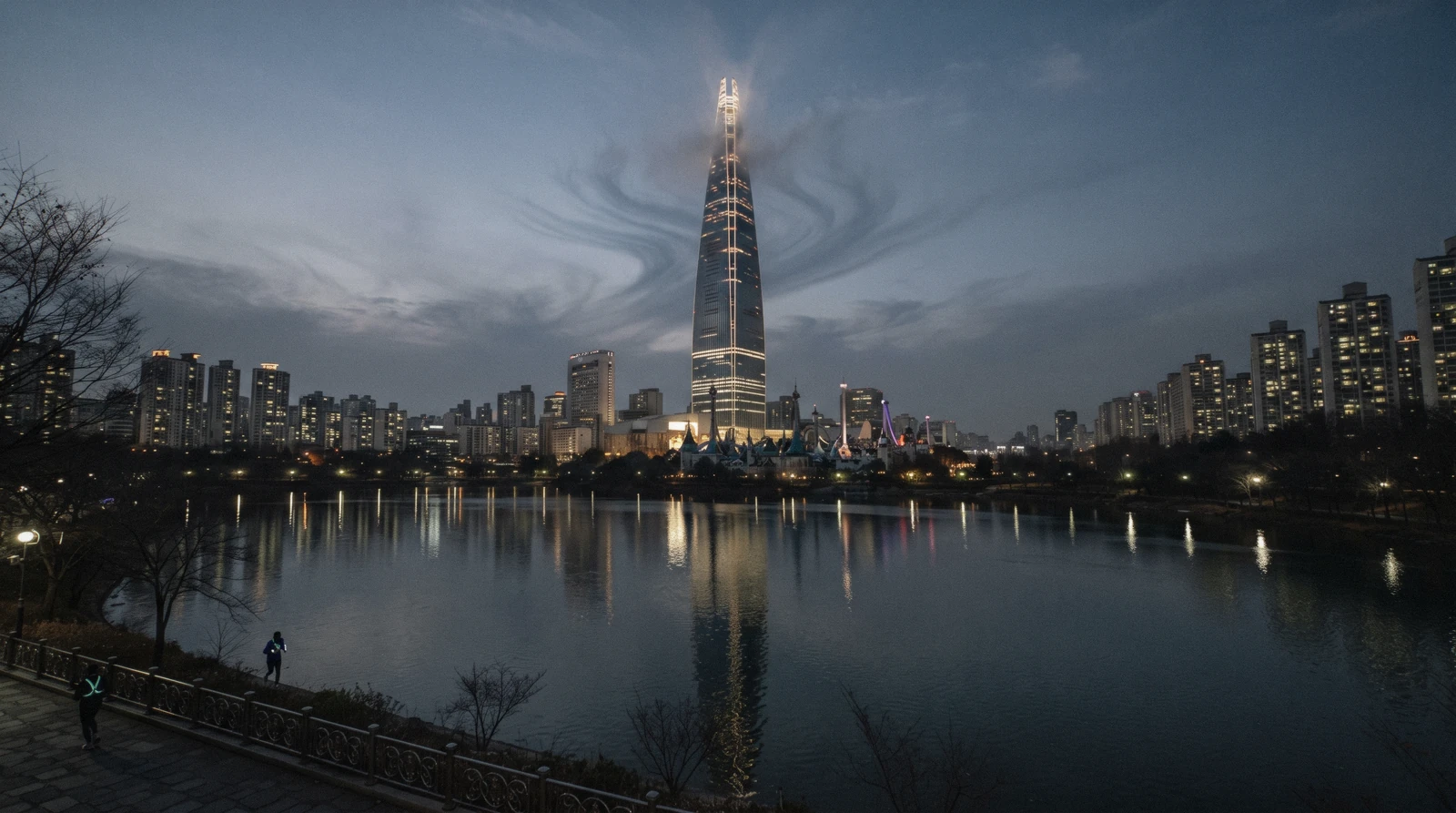
8. Lotte World Tower and Seoul Sky
The other view, across the river at Jamsil: 555 metres, glass floor, and the highest observation deck in the country. Seoul Sky is ₩31,000 for adults and ₩27,000 for children, open 10:30–22:00 and to 23:00 on Fridays, Saturdays and public holidays. It is the one sight in this list where booking ahead does not beat the gate price — unlike Lotte World's theme park downstairs, where it clearly does. The comparison is on the tower page.
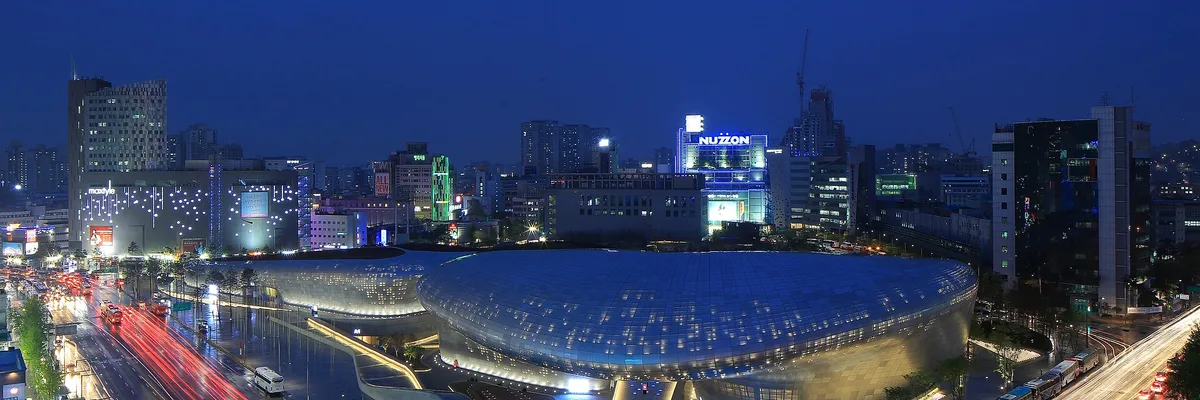
Photo: Frank Schulenburg, CC BY-SA 4.0, via Wikimedia Commons (https://creativecommons.org/licenses/by-sa/4.0)Photo: Basile Morin, CC BY-SA 4.0, via Wikimedia Commons (https://creativecommons.org/licenses/by-sa/4.0)
What the Palaces Cost, and When They Close
Every royal site in central Seoul, with its adult admission and its closing day, read off the Korea Heritage Service fee and hours tables in Q3 2026. Dollar figures use ₩1,000 ≈ $0.72.
Photo: Christian Bolz, CC BY-SA 4.0, via Wikimedia Commons (https://creativecommons.org/licenses/by-sa/4.0)Photo: Basile Morin, CC BY-SA 4.0, via Wikimedia Commons (https://creativecommons.org/licenses/by-sa/4.0)
What Visitors Book First
The four Seoul bookings that actually need making in advance — a hanbok for the palace morning, a DMZ seat, and the two half-day routes that cover the north of the city. Ratings and prices are the operators' own figures, checked in Q3 2026.
from $7.31
Seoul: Hanbok Rental with Gyeongbokgung Palace Entry
★★★★★★★★★★4.6(911 reviews)· 1 hour - 1 day
Wear a Korean Hanbok and explore Gyeongbokgung Palace with this experience. Choose your preferred Hanbok, match your hairstyle to the Hanbok, and discover the nearby.
Seoul: Gyeongbok Palace, Hanok Village, and Gwangjang Tour
★★★★★★★★★★4.9(3,711 reviews)· 4 - 8.5 hours
See the beautiful northern sides of Seoul as you visit Gyeongbokgung Palace and Hanok village. Later, enjoy a panorama view at Bugak Palgakjeong and try delicious snacks at Gwangjang.
Prices, ratings and details are the platform's own, checked in Q3 2026; dollar figures are the listed prices — the platform bills in your account's currency.
How Many Days Seoul Needs
What fits in each length of stay, counting one palace or one museum per half-day and allowing thirty minutes for crossing the city on the metro.
Days
What fits
Book ahead
Skip
Itinerary
1
Gyeongbokgung, Bukchon, Gwangjang Market, one tower at night
National Museum of Korea to 21:00 on Wednesday or Saturday
Market dinner rather than a restaurant
Three full days
Getting Around: The Card, the Fare, the Transfer Window
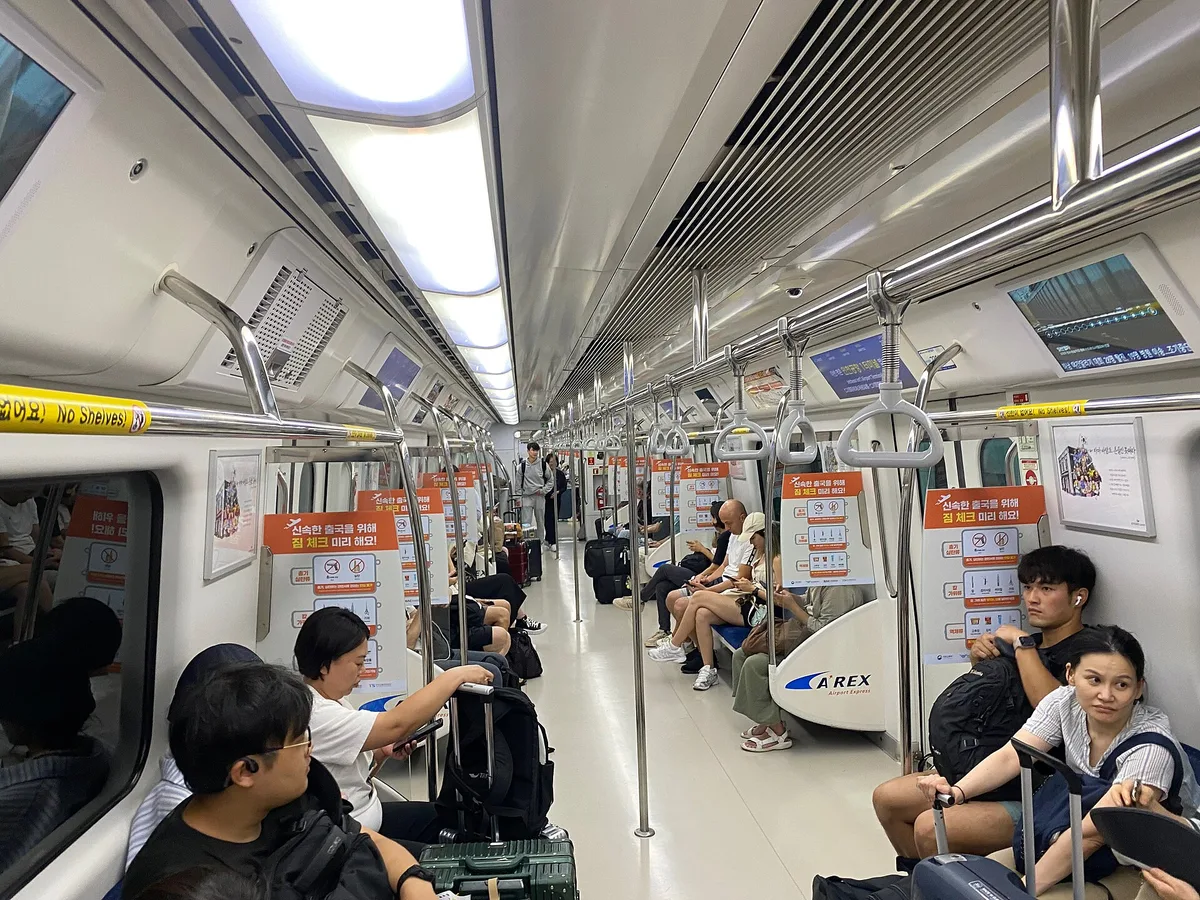
Buy a transport card in any convenience store, load it with cash, and stop thinking about tickets. A metro ride costs ₩1,550, a city bus ₩1,500 and a neighbourhood maeul bus ₩1,200; the base fare covers ten kilometres and adds ₩100 for every five after that.
Two rules save real money. Transfers are free if you tap onto the next vehicle within thirty minutes of tapping off — sixty minutes between 21:00 and 07:00 — for up to five rides in a row, so a bus-metro-bus chain across the city costs one fare. And a first tap before 06:30 takes twenty per cent off the base fare, which is worth knowing on an early airport run.
Taxis are cheap by the standards of any comparable city and useless in Gangnam at 18:00. The metro closes around midnight, which is the practical curfew on a night out; after that it is taxis or waiting for the first trains. The full comparison of cards, including the monthly Climate Card, is on the getting around page, and the airport options are on Incheon airport to the city.
Photo: Sgroey, CC BY-SA 4.0, via Wikimedia Commons (https://creativecommons.org/licenses/by-sa/4.0)Photo: Wikimedia Commons contributor, CC BY-SA, via Wikimedia Commons
The Closed-Day Trap
Seoul does not have one museum day off, it has two, and they are on different halves of the week.
Tuesday closes Gyeongbokgung, Jongmyo and Chilgung. Monday closes Changdeokgung, Deoksugung, Changgyeonggung, Sungnyemun and the royal tombs, along with private museums such as Leeum and the War Memorial of Korea. When a closing day falls on a public holiday the site opens and the closure shifts to the next non-holiday day.
The national museums close on neither and cost nothing, which is why no day in Seoul is a write-off. The one genuine trap is quieter: the National Museum of Korea shuts its permanent halls on the first Monday of March, June, September and December, while telling you the building is open. The whole pattern, with a ready-made Monday and Tuesday plan, is here.
Hanbok Gets You In Free — and What Does Not Count
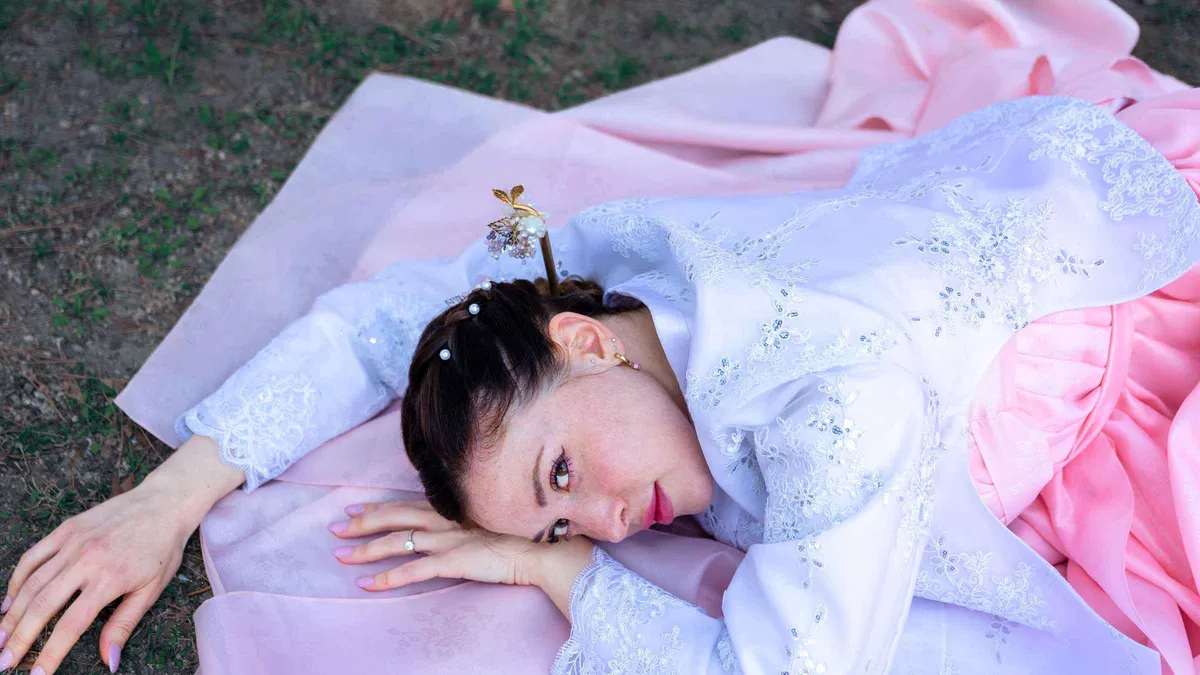
Wear hanbok and every royal palace admits you without a ticket. It is the best-value rule in Korean tourism and the most misunderstood.
The outfit must be a top and a bottom worn together. A durumagi coat over ordinary clothes does not count. Jeans with a jeogori does not count. Hanbok trousers with a T-shirt does not count. The Korea Heritage Service publishes a question-and-answer sheet on precisely these cases because gate staff turn people away over them.
Rental shops crowd the streets between Gyeongbokgung and Bukchon, and the cheapest listings we track bundle an outfit with palace entry from about $7 — less than the two palace tickets it replaces. The hanbok page covers what the shops hand you, how long a rental runs, and where the photographs actually work.
Photo: Republic of Korea from Seoul, Republic of Korea, CC BY-SA 2.0, via Wikimedia Commons (https://creativecommons.org/licenses/by-sa/2.0)Photo: ayustety, CC BY-SA 2.0, via Wikimedia Commons (https://creativecommons.org/licenses/by-sa/2.0)
Where Booking Online Actually Saves Money
Four paid sights with their official gate price beside the partner price we track, read off the operators' pages and GetYourGuide in Q3 2026, converted at ₩1,000 ≈ $0.72. The answer is not the one the booking sites imply.
The saving sits with the theme parks, not the observatories. Nobody resells the palace ticket, so a listing claiming to is selling a guide or a hanbok instead.
What a Day in Seoul Costs
Seoul is cheap where it matters to a visitor and expensive in two narrow places.
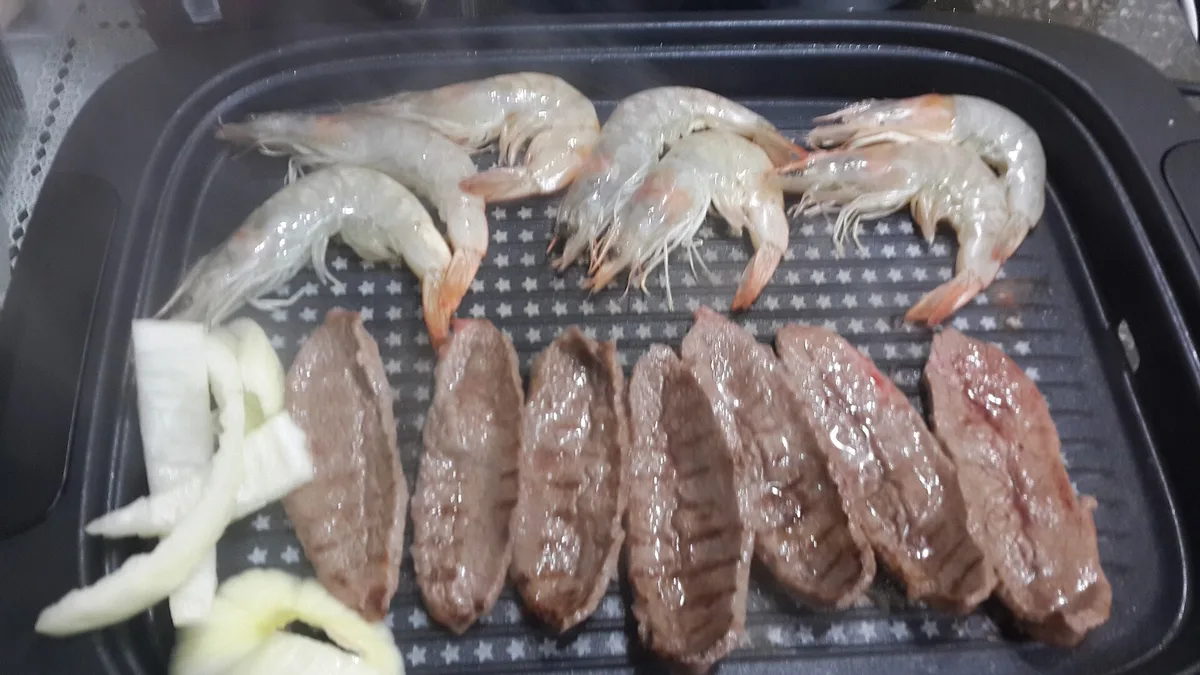
A reasonable day looks like this: four metro rides at ₩1,550, a palace at ₩3,000, a market lunch at ₩10,000, a coffee at ₩5,000 and a barbecue dinner at ₩20,000 a head — about ₩44,000, roughly $32, before anything with a ticket price attached. Add an observatory and the day jumps by ₩29,000–₩31,000, which is why the towers deserve a decision rather than an impulse.
The two expensive things are theme parks and late-night taxis. Lotte World at ₩61,000 costs more than a full day of everything else combined, and a cross-river taxi after the metro closes will beat any museum ticket you bought that day. The full breakdown, with a table by budget level, is on the costs page.
What one ordinary day in Seoul actually costs per person, using the fares and admissions on this page. Nothing here is a budget-travel figure — it is what a normal day of palaces, markets and metro comes to.
Item
Cost
Note
Four metro rides
₩6,200
₩1,550 each, transfers free
One palace
₩3,000
Free in hanbok
Market lunch
₩10,000
Counter stool, not a restaurant
Coffee
₩5,000
Less at a chain, more in Seongsu
Barbecue dinner
₩20,000
Per head, two people sharing
Day total
about ₩44,000 ($32)
Before any observatory ticket
Photo: Mar del Este, CC BY-SA 4.0, via Wikimedia Commons (https://creativecommons.org/licenses/by-sa/4.0)Photo: Basile Morin, CC BY-SA 4.0, via Wikimedia Commons (https://creativecommons.org/licenses/by-sa/4.0)
Out of the City for a Day
Three routes that need a full day and, in one case, cannot be done alone at all. Ratings and prices are the operators' own figures, checked in Q3 2026.
from $45
Seoul: DMZ, The 3rd Tunnel and Suspension Bridge Tour Option
★★★★★★★★★★5.0(7,823 reviews)· 7 - 9.5 hours
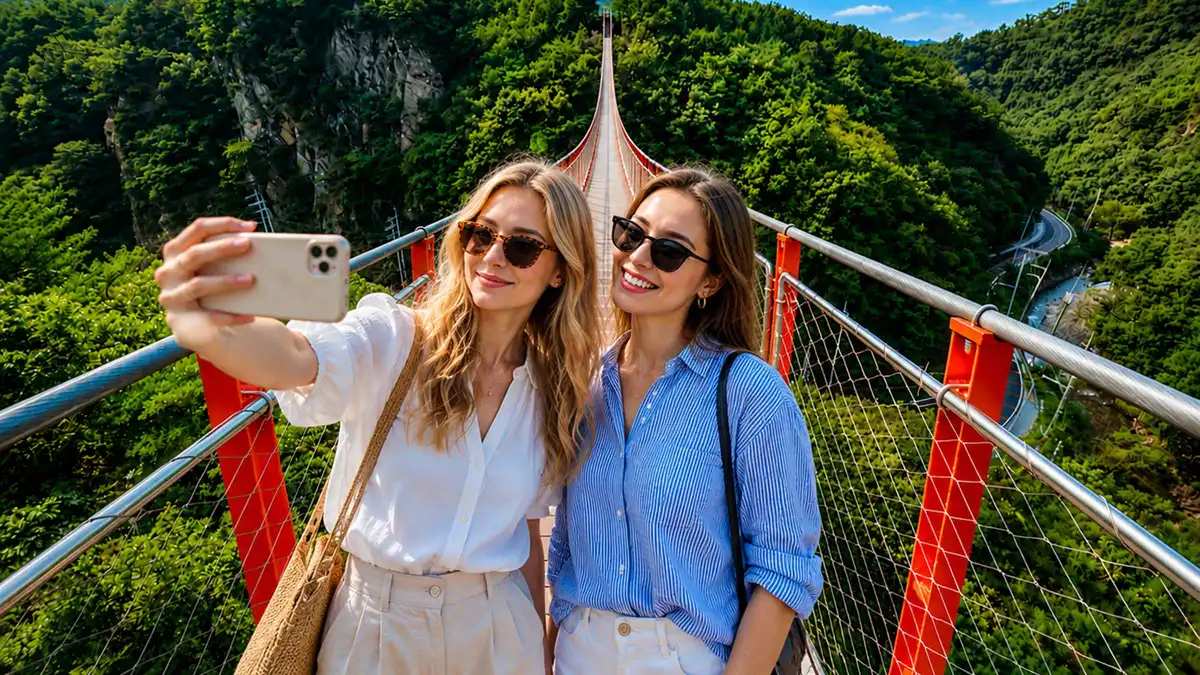
Take a guided tour from Seoul to explore the DMZ, the 3rd Infiltration Tunnel, Dora Observatory, and the Mt. Gamak Suspension.
Prices, ratings and details are the platform's own, checked in Q3 2026; dollar figures are the listed prices — the platform bills in your account's currency.
Pick a District Before You Pick a Hotel
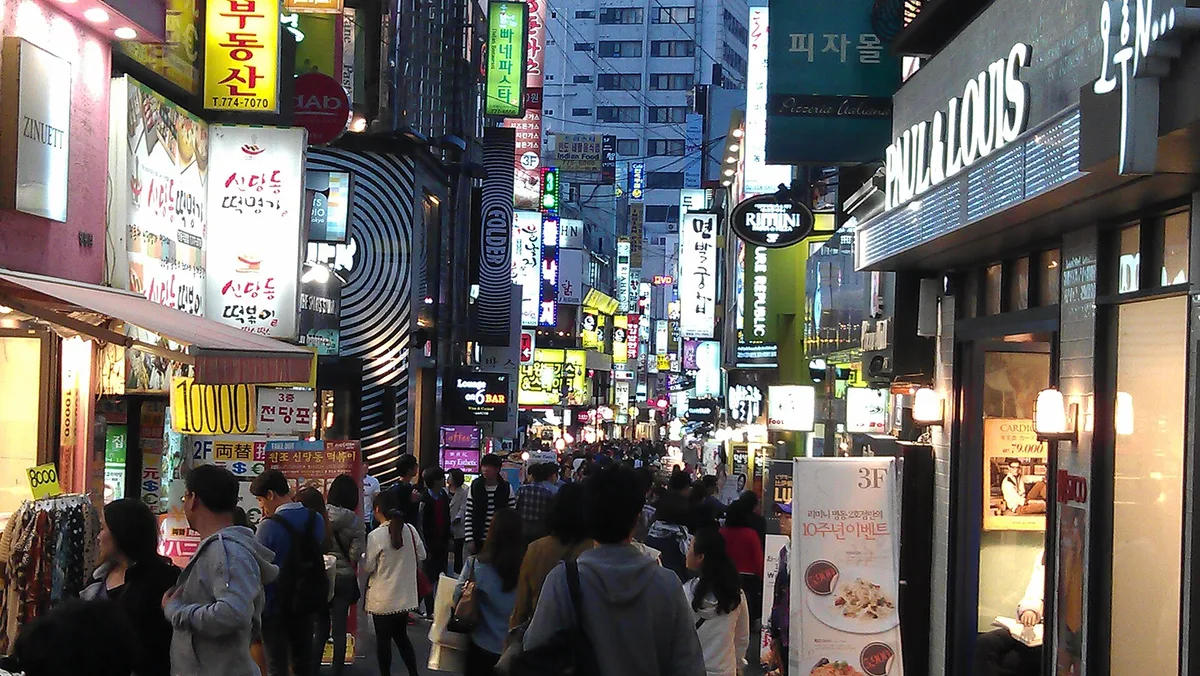
Where you sleep in Seoul decides how much of the metro you use rather than what you see. Myeongdong and Jongno put the palaces, the markets and the airport buses within walking distance and are the default first-trip choice. Hongdae buys nightlife and student prices at the cost of noise. Gangnam is business Seoul, expensive and forty minutes from everything historic. Seongsu and Ikseon-dong are where the city's own weekends happen.
Photo: mauveine.kim, CC0, via Wikimedia Commons (http://creativecommons.org/publicdomain/zero/1.0/deed.en)Photo: Wikimedia Commons contributor, CC BY-SA, via Wikimedia Commons
Seoul Questions People Ask Before They Book
Is Seoul worth visiting?
Yes, and for a specific reason: it is one of the very few large capitals where the historic core, the food and the transport are all cheap, and where the expensive part is optional. A palace is ₩3,000, a market dinner is ₩10,000, and the metro is ₩1,550 a ride. Three days is enough to know whether you want more.
Do I need a K-ETA to visit South Korea?
For most nationalities, not in 2026. The travel authorisation is waived for the listed countries from 1 January to 31 December 2026. You may still apply, at about US$7–8, to skip the paper arrival card. Details and the official notice.
Do they speak English in Seoul?
Signs, metro announcements and ticket machines are in English throughout. People are another matter: expect English at hotels and major sights, and very little in small restaurants or taxis. Naver Map and Papago cover the gap; Google Maps does not do walking directions well in Korea.
How many days do you need in Seoul?
Three full days for a first visit — palaces, one market, one neighbourhood and an evening view. A fourth day exists for the DMZ or Suwon, not for another palace. The planner table counts it out by half-days.
What day are things closed in Seoul?
Two different days. Gyeongbokgung and Jongmyo close on Tuesdays; Changdeokgung, Deoksugung and Changgyeonggung close on Mondays. National museums close on neither. The closed-day page has a plan for each.
What is the 52-hour rule in South Korea?
It is a labour law capping the working week, not a travel rule, and it has no effect on a visit. It appears in search results beside Seoul travel questions purely because of the phrasing.
Is Seoul expensive?
Less than most capitals for transport, food and sights, and comparable for hotels. A day of palaces, markets and metro comes to roughly ₩44,000, about $32, per person. The costs page breaks it down by travel style.
Where should I stay in Seoul for a first visit?
Myeongdong or Jongno, for walking distance to the palaces and direct airport buses. The where-to-stay page compares the districts by journey time rather than by price alone.
What should I book before I arrive?
Two things: the Huwon garden session at Changdeokgung, released at 10:00 six days ahead, and a DMZ tour, which is the only way to visit the border zone. Everything else in Seoul can be bought on the day.
What are the do's and don'ts in Seoul?
Shoes off at a raised step, two hands when giving or receiving anything, priority seats on the metro left empty even in a crush, stand on the right of an escalator, and no tipping anywhere. Two rules carry real penalties rather than embarrassment: no phones in bathhouse changing areas, and no tourism in Bukchon's residential lanes outside 10:00–17:00. The full etiquette page.
Seoul on Video: Three Guides Worth the Time
Three filmed guides that cover what a written page cannot — the pace of the streets, the distances between the palaces, and what a transport card actually looks like at a gateline. One first-timer's overview, one practical update, one full itinerary.
Tips for First-Time Visitors in Seoul, South Korea (2026)
A practical run through the mistakes first-timers make, filmed on location across the city.
Video: PhatLife Project
Don't Buy the Wrong Transport Card in Korea
The card options compared on screen — useful alongside our [getting around page](/getting-around/), which carries the fares.
Video: GAMJA IN SEOUL
Seoul in 4 Days: The Ultimate Travel Guide
A four-day route through the city, filmed end to end, which maps closely onto our [three-day itinerary](/seoul-in-3-days/).
Video: Rhett and Claire
Videos are other people's work, embedded for context; nothing here is sponsored.
The One Thing Worth Booking Before You Land
The DMZ cannot be visited independently: every route to the third tunnel and the border viewpoints runs on an organised tour, and the seats go first in autumn.
Prices and availability are set by the operator and confirmed at checkout.
The office, phone and email above belong to the city's own visitor service, published on the official tourism site and checked on 2026-09-01 — they are not this site's contact details. To reach us, use the contact page.
 Seoul City Guide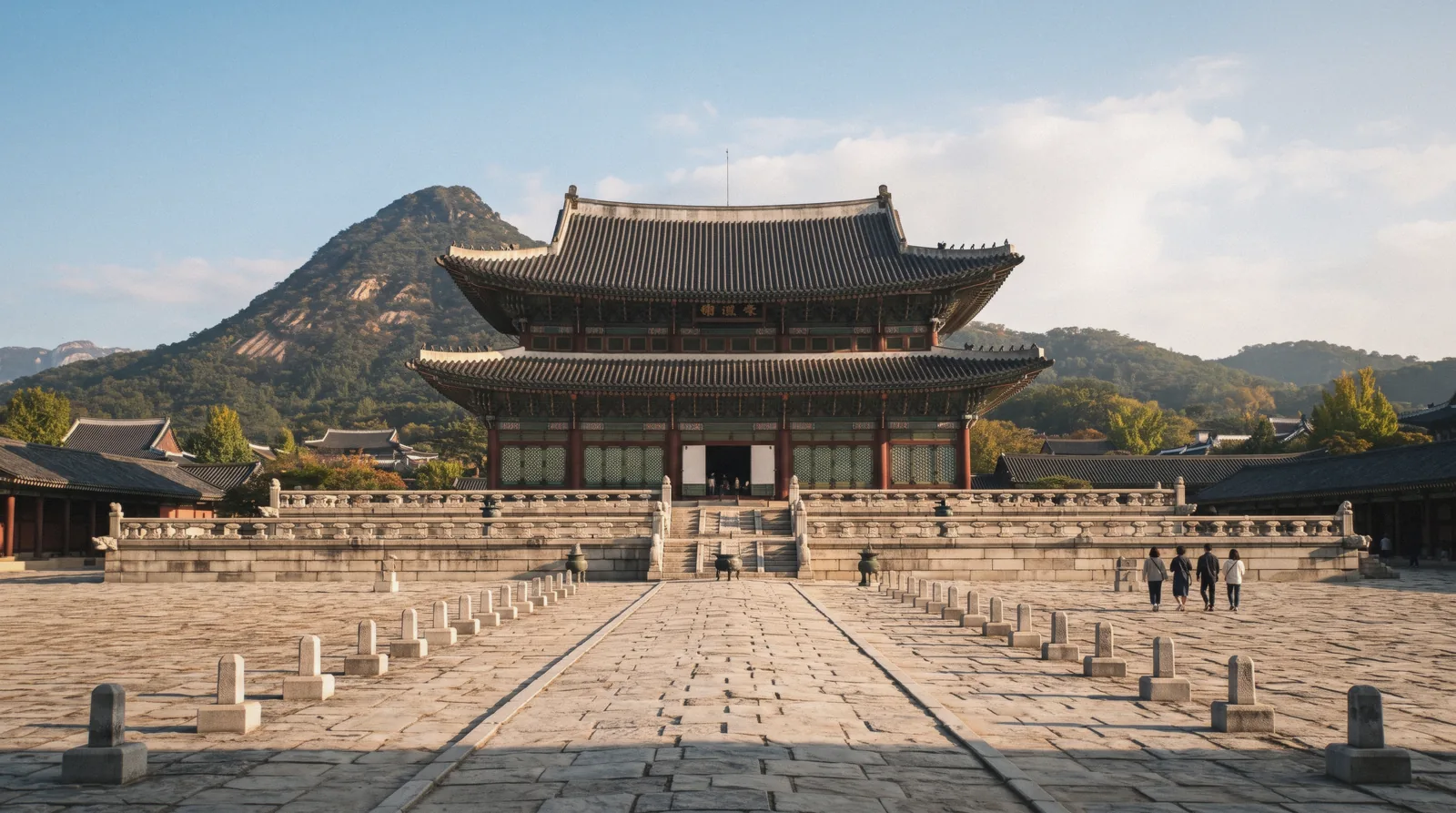
 from $7.31