 Seoul City Guide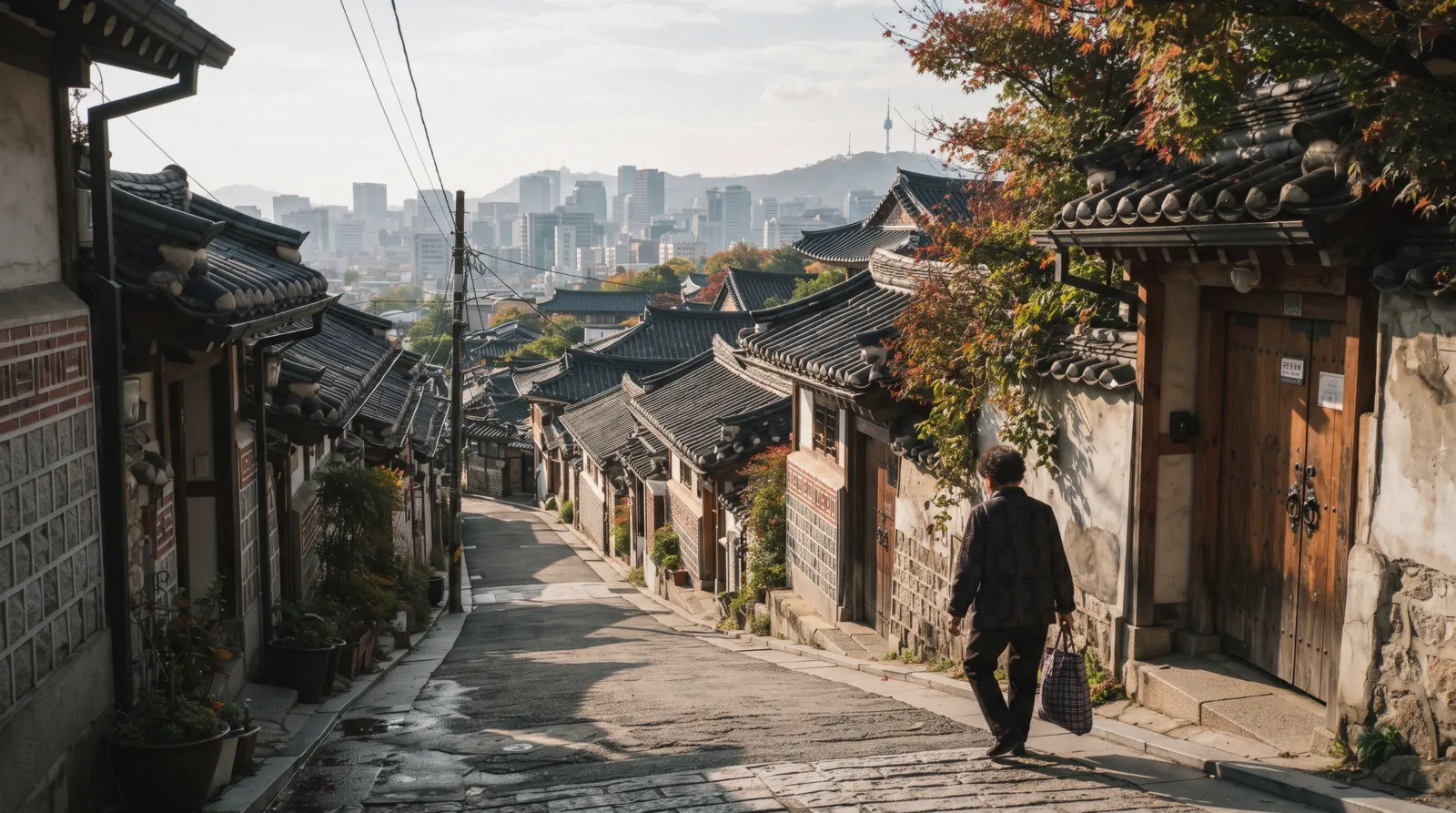
Bukchon Hanok Village: the Rules, the Hours and the Lanes
Bukchon Hanok Village is a residential neighbourhood of tiled courtyard houses on the hill between the two big palaces — and since 2025 its main lanes have been open to visitors only between 10:00 and 17:00, with a ₩100,000 fine outside those hours. This page carries the restriction, the routes that are always open and the hours worth coming for, checked in Q3 2026. The rest of the city is on the Seoul city guide homepage.
Quick answer Free, beautiful, and legally restricted to seven hours a day
Bukchon Hanok Village is not a museum village. Around six hundred hanok stand on the hill between Gyeongbokgung and Changdeokgung, and people live in them. After years of overtourism the Jongno district office designated the busiest residential block a restricted zone: visitors may walk it between 10:00 and 17:00, and a ₩100,000 fine applies to tourism outside that window.
Key takeaways
- Come at 10:00 rather than at sunrise. The photographs taken at dawn that fill the internet are no longer legal to take.
- The restriction covers the residential Red Zone around Bukchon-ro 11-gil, not the whole hill — the surrounding streets stay open.
- Want hanok you are allowed to be inside? Ikseon-dong is twelve minutes away and is a commercial block with no curfew.
Key facts
Opening hours
| Residential Red Zone lanes | 10:00–17:00 |
|---|---|
| Surrounding streets and viewpoints | 00:00–24:00 |
Closed None, but the Red Zone lanes are closed to tourism outside 10:00–17:00 daily.
Planning it
- Time needed
- Forty minutes to an hour on foot
- Address
- Bukchon-ro, Jongno-gu, Seoul — Anguk (Line 3), Exits 2 and 3
The Restriction, Precisely
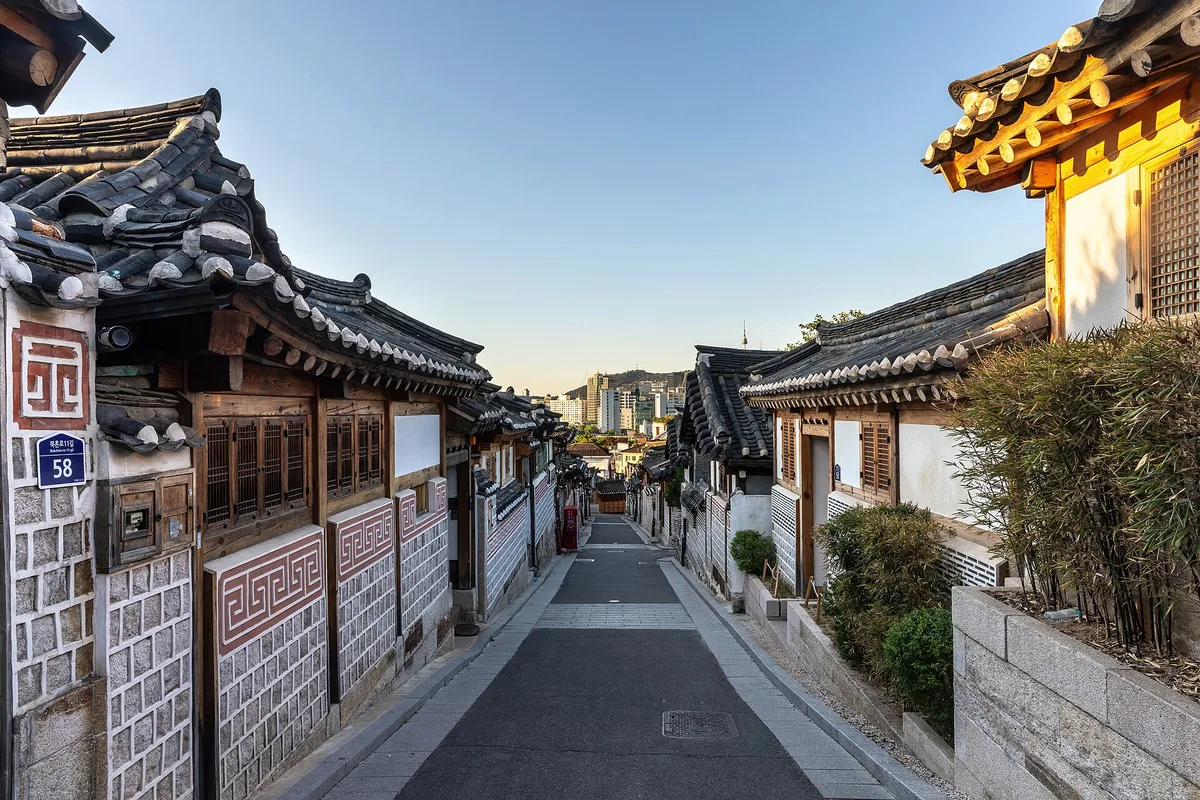
In late 2024 Jongno-gu designated a 34,000-square-metre block of hanok around Bukchon-ro 11-gil — behind the Jeongdok Library, on the hill between the two palaces — as a special management zone, and from March 2025 began enforcing it with fines.
The rule is straightforward: tourism in those lanes is permitted between 10:00 and 17:00. Outside that window a fine of ₩100,000 applies to people who are there as visitors. Residents, their families, guests of local accommodation and people using the shops are exempt — the target is sightseeing, not presence.
The reason is ordinary and reasonable. Several thousand people live in the zone, and for years they dealt with tour groups at seven in the morning, drone noise, litter, and strangers photographing through their windows. Signage in several languages marks the zone boundary, and stewards are present at the busier entrances.
What this means in practice is that Bukchon has become a mid-morning or afternoon visit. Plan it for 10:30, after the palace opens and before lunch, and the restriction costs you nothing at all.
Where You Can Walk, and When
Not all of Bukchon is restricted, and knowing the difference turns a nervous visit into an easy one. Boundaries follow the district's own signage, checked in Q3 2026.
| Area | Access | Best time | Note |
|---|---|---|---|
| Bukchon-ro 11-gil Red Zone | 10:00–17:00 only | 10:00–11:00 | ₩100,000 fine outside the window |
| Bukchon-ro, the main street | Unrestricted | Any | Shops, cafés, the hill route to Samcheong-dong |
| Samcheong-dong | Unrestricted | Afternoon | Galleries and cafés along the palace wall |
| Gahoe-dong viewpoints outside the zone | Unrestricted | Late afternoon | The rooftop view without the residential lanes |
| Ikseon-dong | Unrestricted, commercial | Evening | Hanok you can sit inside |
The eight numbered 'Bukchon views' marked on old tourist maps predate the restriction; several sit inside the Red Zone and are therefore daytime-only.
The Walk, in Forty Minutes
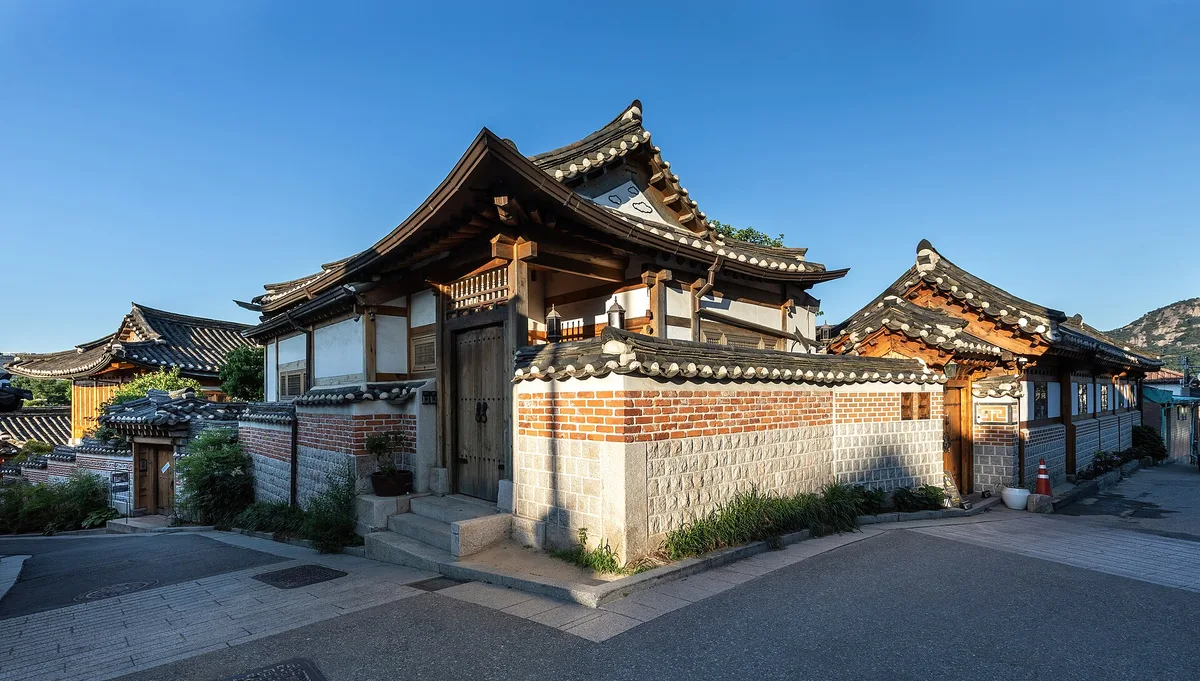
Come out of Anguk station Exit 2 and walk north up the hill. The gradient is the whole experience: Bukchon means 'north village', it sits on a slope between two palaces, and the reason the roofs photograph so well is that you are always looking down a lane at more roofs with a modern skyline behind them.
The main street carries shops, tea rooms and craft workshops and is open at any hour. The lanes off it to the east are the residential zone, and the character changes immediately — narrower, quieter, with cars squeezed against walls and laundry on lines.
At the top of the hill, the streets open onto Samcheong-dong, which runs back down along the eastern wall of Gyeongbokgung and is full of galleries and cafés with no restriction on when you arrive. Ending there and continuing down to the palace makes a natural loop of about an hour.
Sensible behaviour is the same as in any residential street anywhere: speak quietly, do not photograph into doorways or windows, do not sit on private steps, and take rubbish with you. There are stewards, but the reason for the rules is the two thousand people who live there.
When to Come
Ten in the morning, on a weekday, is the answer. The zone has just opened to visitors, the light is still low enough to be interesting, and the tour groups arrive later.
Weekends are busy from eleven onwards and unpleasant by one. Late October is the most beautiful and the most crowded fortnight of the year. Winter is a genuine secret: cold, clear, empty, and the tiled roofs under snow are worth the numb fingers.
The old advice — go at dawn for empty lanes — no longer applies, and repeating it is how travel blogs get their readers fined. If you want an empty hanok lane at 07:00, the answer is a stay in a hanok guesthouse inside the zone, which makes you a resident's guest rather than a tourist.
Hanbok in Bukchon
The lanes are the most-photographed hanbok backdrop in Korea, and the rental shops cluster around Anguk station for exactly that reason.
The restriction applies regardless of what you are wearing: 10:00 to 17:00 in the Red Zone, whatever the outfit. In practice that suits a hanbok day well — collect the outfit at 09:00, do Gyeongbokgung for the 10:00 guard change, walk up to Bukchon by 11:00, and return the rental in the afternoon.
What counts as hanbok for free palace entry is a separate and stricter question, and the rules trip people up: the hanbok page covers what the shops hand you and what the palace gate will actually accept.
How to Visit, and What It Costs
The village is a public neighbourhood rather than a ticketed sight, so the table is about access rather than price. Access rules from the Jongno-gu designation, partner prices from GetYourGuide, checked in Q3 2026.
| Option | Price | What it gets you | Notes | Book |
|---|---|---|---|---|
| Walking the lanes yourself | Free | Red Zone open 10:00–17:00 | ₩100,000 fine outside the window | Official site |
| Guided palace and village morning | from $33 | 4–8.5 hours | Free cancellation 24 h before | Check Availability |
| Hanbok rental for the lanes | from $7 | 1 hour to a day | Free cancellation 24 h before | Check Availability |
Official ticket-office links are not affiliate links.
Bukchon Hanok Village on the Map
Pinned at the entrance, with the pages for what is nearby.
Next Stop from Bukchon
Three places within fifteen minutes on foot, in the order the morning usually runs.
Gyeongbokgung
Ten minutes downhill to Gyeongbokgung — do the palace first at 09:00, then come up here at ten.
10 min walkChangdeokgung
Eight minutes east to Changdeokgung and its Huwon garden, if you have a slot booked.
8 min walkIkseon-dong
Twelve minutes south to Ikseon-dong, where the hanok are cafés and nobody is trying to sleep.
12 min walkGuided Walks Through the Hanok Quarter
Routes that combine the palace, the village and the market in one morning, with a guide who knows where the zone boundary is. Ratings and prices are the operators' own figures, checked in Q3 2026.
 from $33
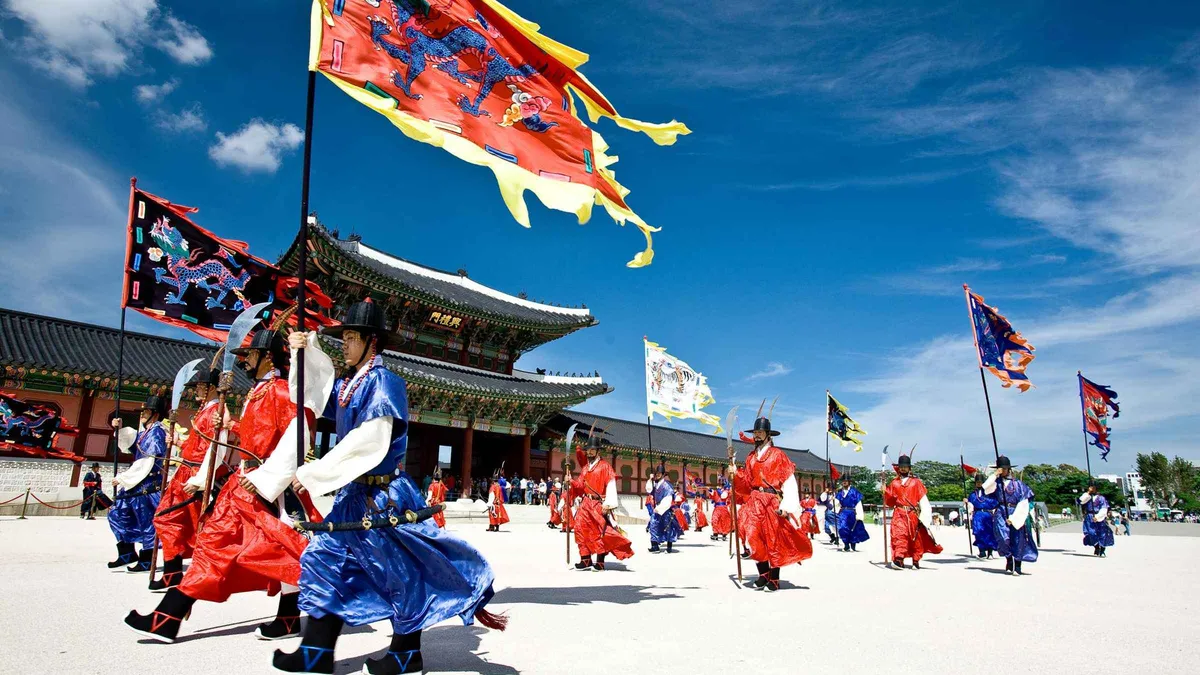
Seoul: Gyeongbok Palace, Hanok Village, and Gwangjang Tour
See the beautiful northern sides of Seoul as you visit Gyeongbokgung Palace and Hanok village. Later, enjoy a panorama view at Bugak Palgakjeong and try delicious snacks at Gwangjang.
Check Availability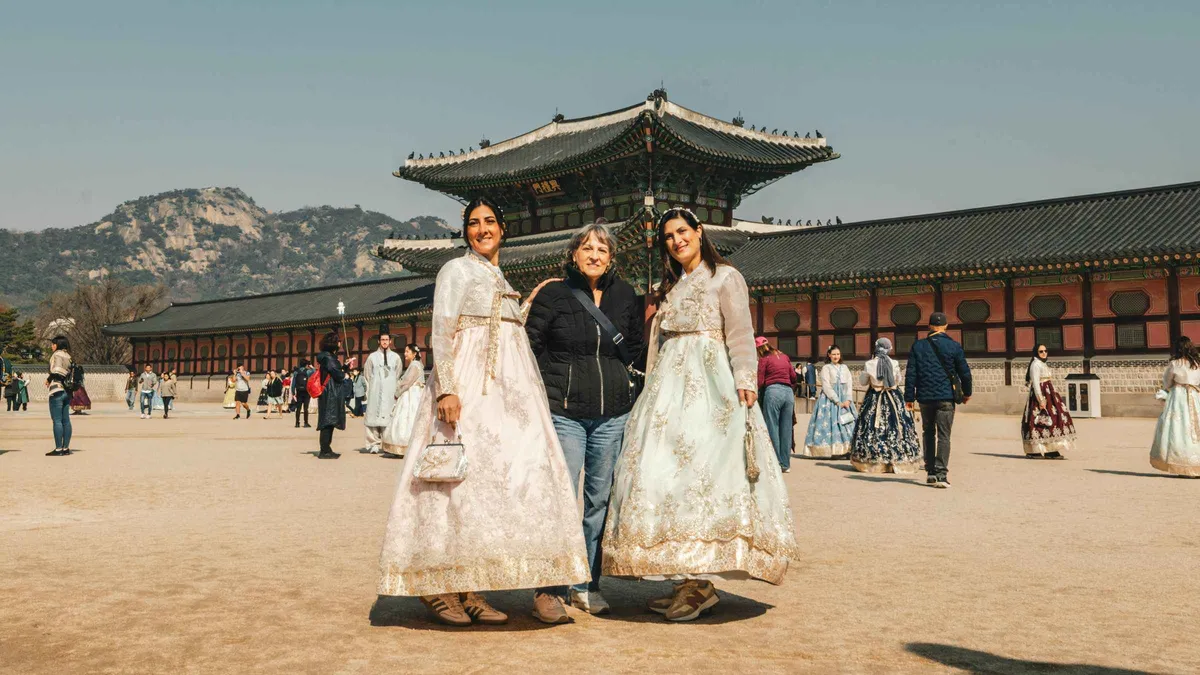 from $57
Seoul: Half-Day City Highlights & Palace Tour with Hanbok
Step back in time at Gyeongbokgung Palace and Bukchon Hanok Village on this small-group walking tour (max 15) in Seoul. Choose a tour with or without a Hanbok and enjoy tasty snacks along the.
Check Availability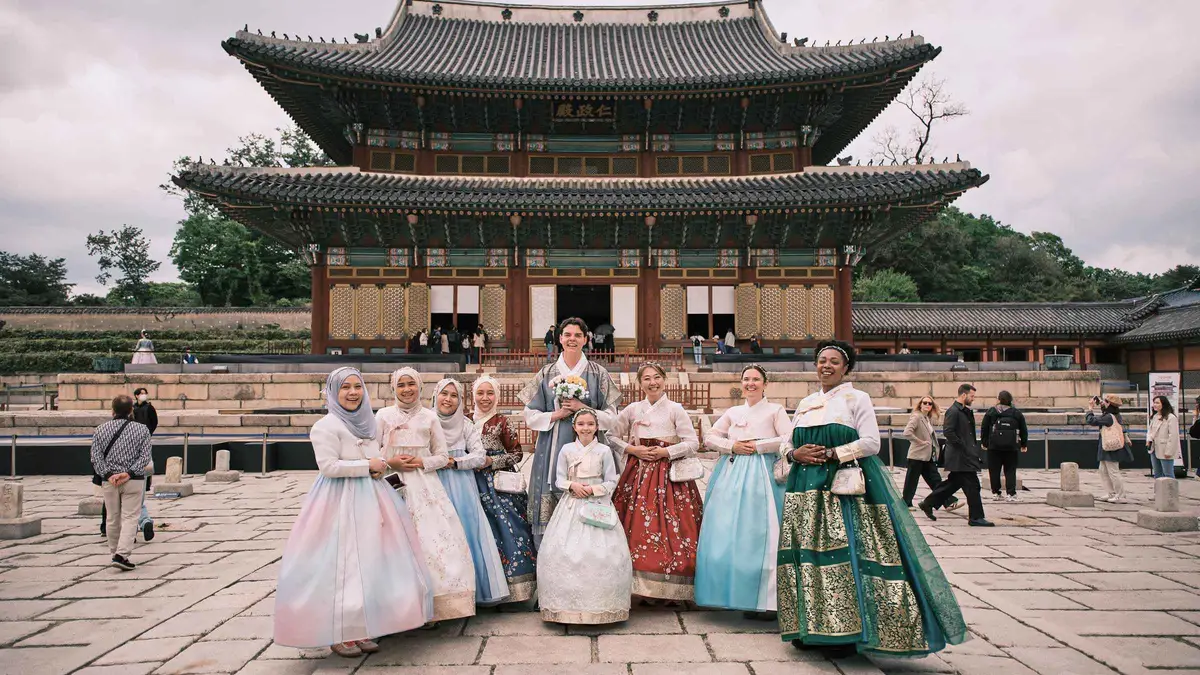 from $32
Seoul: UNESCO Palace History Tour, Photos & Optional Hanbok
Explore UNESCO-listed Changdeokgung with an English-speaking history guide. Discover royal stories, enjoy casual travel photos, and choose to enhance your experience with optional.
Check AvailabilityPrices, ratings and details are the platform's own, checked in Q3 2026; dollar figures are the listed prices — the platform bills in your account's currency.
Bukchon Questions
What are Bukchon Hanok Village's visiting hours?
The residential Red Zone around Bukchon-ro 11-gil is open to visitors between 10:00 and 17:00. Outside those hours tourism there carries a ₩100,000 fine. The surrounding streets and Samcheong-dong have no restriction.
Is Bukchon Hanok Village free?
Yes. It is a public residential neighbourhood, not a ticketed attraction — which is precisely why the access rules exist.
Can I visit Bukchon early in the morning?
Not the Red Zone lanes; enforcement began in March 2025. You can walk the main street and Samcheong-dong at any hour, and staying at a hanok guesthouse inside the zone makes you a guest rather than a tourist.
Why is Bukchon restricted?
Around two thousand people live in the zone and dealt with years of dawn tour groups, noise and photography through windows. Jongno-gu designated it a special management area and began fining tourism outside the daytime window.
How long do you need in Bukchon?
Forty minutes to an hour on foot, more if you continue into Samcheong-dong. It combines naturally with Gyeongbokgung in one morning.
Bukchon or Ikseon-dong?
Bukchon for the architecture and the hill; Ikseon-dong for actually sitting inside a hanok with a drink. They are twelve minutes apart and do different jobs.
What is the nearest station to Bukchon?
Anguk on Line 3, Exits 2 and 3, at the bottom of the hill. From there the village is a five-minute walk uphill.
What not to do in Korea as a foreigner here?
In these lanes specifically: do not enter the Red Zone outside 10:00–17:00, do not photograph into doorways or windows, do not sit on private steps, and keep your voice down. Around two thousand people live here, which is why the district restricted access in the first place.
Reviewed Q3 2026 (July–September 2026); next review Q4 2026. Prices, hours and terms are set by the venue or operator and confirmed at checkout.
We may earn a commission if you book through one of our links, at no extra cost to you. Full affiliate disclosure