 Seoul City Guide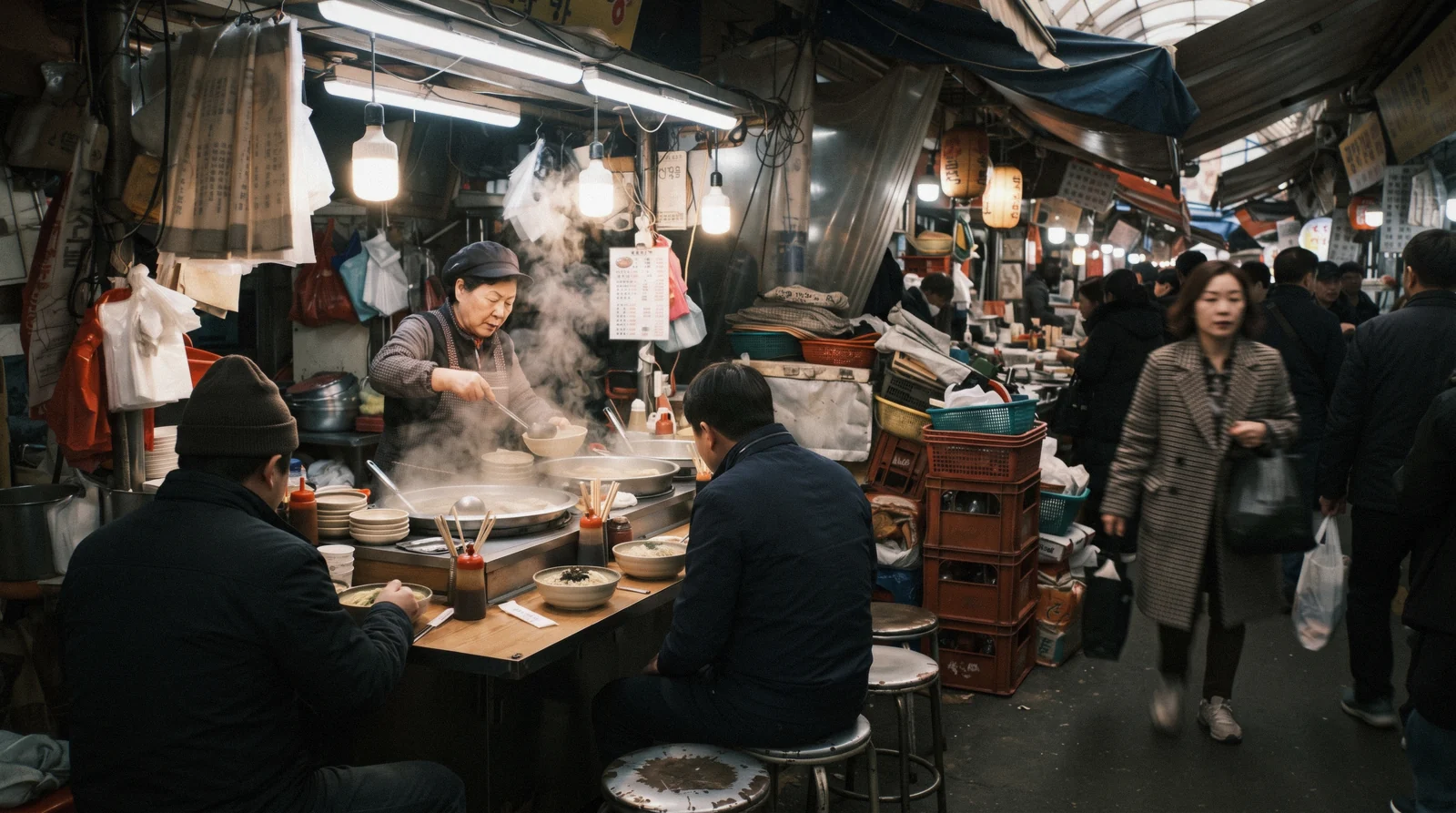
Seoul Markets: Which One, and for What
Seoul markets are not one experience repeated — one is a food street, one is a wholesale engine, one sells nothing but fish, and they keep different days. This page sorts the six worth a visitor's time by what each is for, with the hours and rest days that decide when to go, checked in Q3 2026. The wider city is on the Seoul city guide homepage.
Quick answer Gwangjang to eat, Namdaemun to buy — and mind the Sundays
Seoul has hundreds of traditional markets and about six a visitor would plan around. The split is simple: Gwangjang is where you eat, Namdaemun is where the city shops, Noryangjin is fish, Dongdaemun is fabric and clothing at night, and the neighbourhood markets are where you see how Seoul actually buys food. Most of them close on Sundays.
Key takeaways
- One rule saves a wasted trip: the shops close on Sunday, the Gwangjang food street does not.
- Markets ignore the palace closing days entirely, which makes them the fix for a Monday or a Tuesday.
- Budget ₩10,000 a head for lunch at a counter and expect to sit next to strangers.
The Six Worth Your Time
What each market is for, when it works and when it shuts, from the official tourism listings and the markets' own signage, checked in Q3 2026.
| Market | What it is for | Hours | Closed |
|---|---|---|---|
| Gwangjang | Eating — pancakes, noodles, raw beef | Food street 09:00–23:00 | Shops on Sundays; food street never |
| Namdaemun | Buying — glasses, kitchenware, ginseng | Retail daytime; wholesale 23:00–04:00 | Sundays |
| Noryangjin fish market | Seafood, chosen live and cooked upstairs | Effectively around the clock | Rarely closes |
| Dongdaemun | Fabric and clothing wholesale | Many floors open 20:00–05:00 | Varies by building |
| Tongin market | Lunch on a brass-coin tray system | Daytime | Mondays and third Sundays |
| Mangwon market | A neighbourhood market people actually shop in | Daytime to early evening | Varies by stall |
Tongin, near Gyeongbokgung, runs a system where you buy brass tokens at the information desk and spend them stall to stall — the most enjoyable ₩10,000 lunch in the palace quarter.
How a Korean Market Works
Three things differ from what most visitors expect, and knowing them removes the friction.
First, specialisation. Stalls do one or two things and do them all day: this counter does knife-cut noodles, that one does blood sausage, the one opposite does nothing but mung-bean pancakes. Ordering a mixed meal means moving, or ordering from a neighbour who will fetch it for you — which is normal and expected.
Second, seating. You sit at a counter on a stool, often with your bag on your lap, next to people who are eating faster than you. Tables exist but are the exception. This is a feature: the turnover is why the food is fresh and cheap.
Third, payment. Cards work almost everywhere now, but cash moves faster at the smaller stalls and is still appreciated. Prices are displayed on boards at nearly every stall — where they are not, ask before you sit.
When Markets Close
This is the part that catches people. Seoul's museums and palaces run on a Monday–Tuesday rota; its markets do not participate in it at all.
The traditional markets — Gwangjang's shops, Namdaemun, most neighbourhood markets — close on Sundays. Some also take a rest day tied to the lunar calendar, typically the second and fourth Sunday of the month, and the big family holidays of Seollal and Chuseok shut down most stalls for the day itself and often the day around it.
The exceptions are the ones built for visitors and for the trade: Gwangjang's food street runs 09:00 to 23:00 all year, Noryangjin's fish halls operate on a near-continuous cycle around the auction, and Dongdaemun's wholesale floors do their business overnight.
So a Sunday in Seoul is a food-street day rather than a market day, and a Monday — when half the palaces are shut — is the best market morning of the week.
Noryangjin, If You Want the Fish Market
Noryangjin is the wholesale fish market for the capital, rebuilt into a modern hall on the south bank of the river, and it works on a system worth understanding before you arrive.
You walk the floor, choose a fish or shellfish from a tank, agree a price with the seller, and then take it upstairs to a restaurant that will prepare it for a per-head cooking charge. The seafood price and the cooking charge are separate, and both are negotiable at the margins — which is where visitors overpay.
The auction runs in the small hours, roughly between one and three in the morning, and can be watched from a designated viewing area. For most people the useful hours are early evening, when the hall is busy and the restaurants upstairs are full. It is twenty minutes from the centre on Line 1, and it is the least tourist-shaped market on this page.
Start With These Two
If a trip has room for two markets, these are the two, and they are fifteen minutes apart.
Gwangjang Market
The food street, open 09:00–23:00 all year: what to order and what it should cost.
- Bindaetteok about ₩5,000
- Mayak gimbap about ₩3,000
- Shops shut Sundays, food street does not
Namdaemun Market
Ten thousand stalls organised by trade: which alley does what.
- Kalguksu ₩7,000–₩9,000
- Wholesale runs 23:00–04:00
- Closed Sundays
Guided Market Walks
Four walks through the markets, from a two-hour tasting run to an evening that adds a palace. Ratings and prices are the operators' own figures, checked in Q3 2026.
 from $73
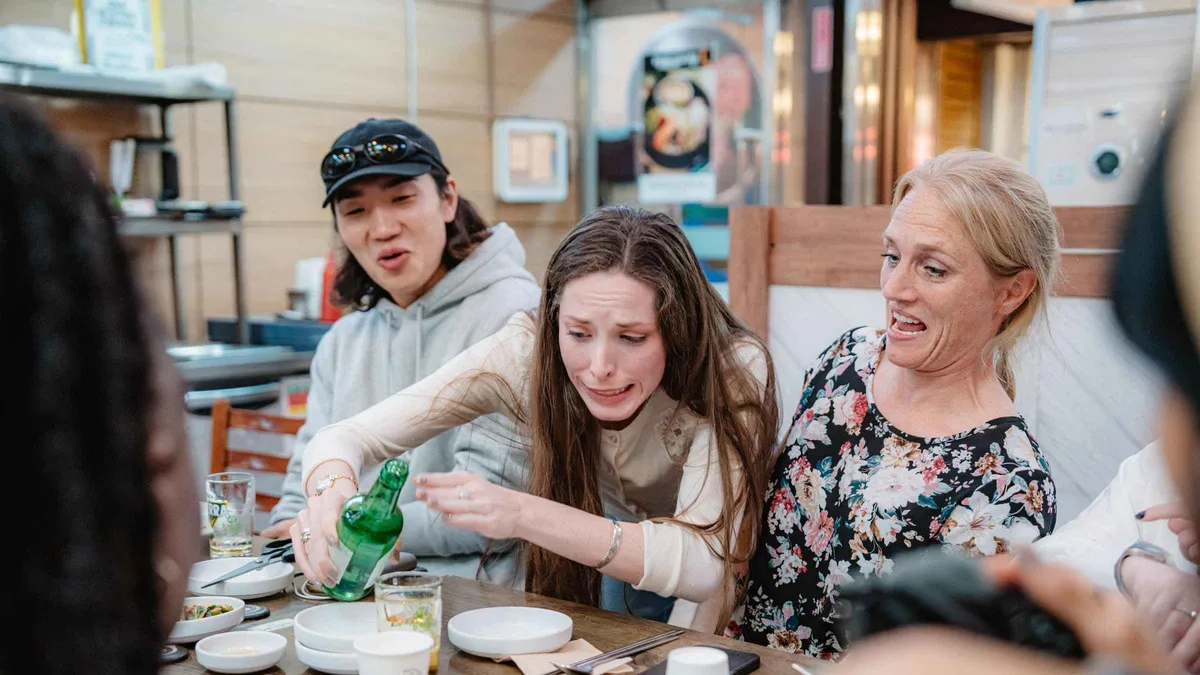
Seoul Street Food Market Tour
This experience goes beyond delicious food; it's a cultural journey where you'll connect with friendly hosts, engage with local vendors, and bond with fellow.
Check Availability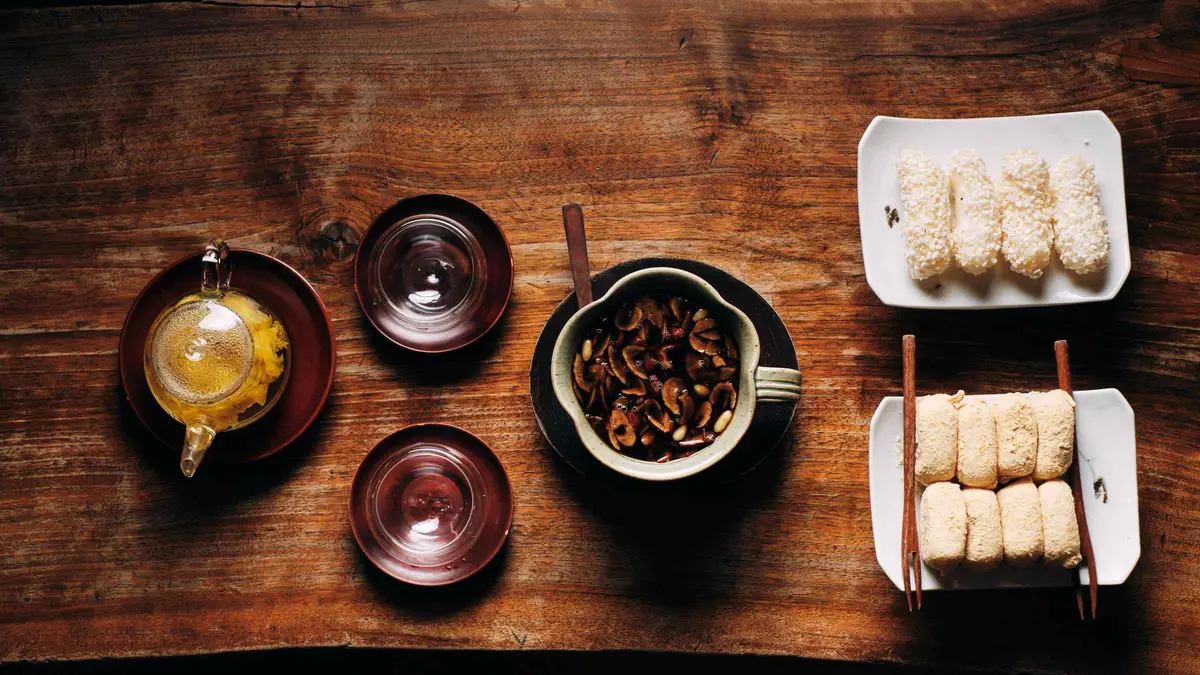 from $97.56
Seoul: Guided Food & Market Tour with 8+ Tastings
Discover Seoul’s hidden foodie gems on a flavorful journey through markets, backstreets, and teahouses, tasting authentic dishes, local snacks, and our surprise Secret Dish along the.
Check Availability from $67.15
Seoul: Night Palace & Market Food Tour with Vehicle
Unwind in Seoul's night glow where history meets flavor. On this small-group tour (max 15), ride between sights, taste generous market dishes, and feel the city come alive with lights and.
Check Availability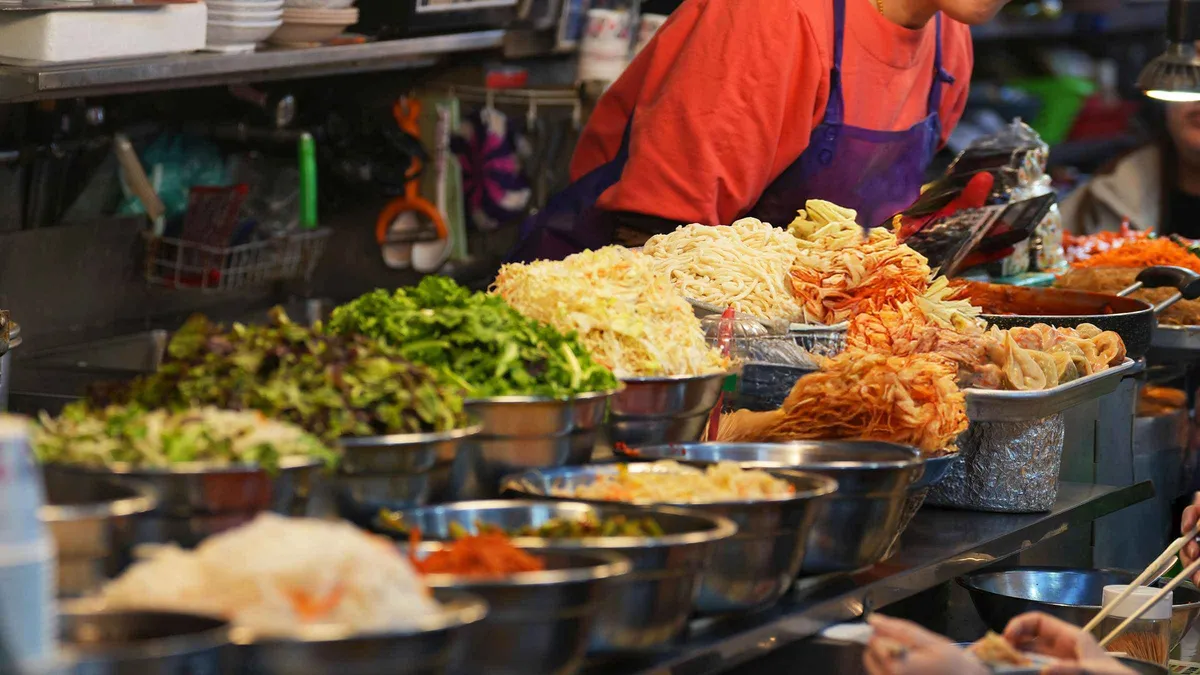 from $89
Seoul: Gwangjang Market Vegan & Vegetarian Food Tour
Explore Gwangjang Market like a local on a vegetarian food tour in Seoul. Taste a range of vegetarian and vegan versions of Korean classics and learn about the stories behind each.
Check AvailabilityPrices, ratings and details are the platform's own, checked in Q3 2026; dollar figures are the listed prices — the platform bills in your account's currency.
Seoul Market Questions
Which market in Seoul is best for food?
Gwangjang, without much competition. Its food street runs 09:00 to 23:00 every day of the year and a full counter lunch costs ₩8,000 to ₩15,000.
Are Seoul markets open on Sunday?
Mostly not. Traditional markets take Sunday as their rest day. Gwangjang's food street is the exception and stays open all year, and Noryangjin fish market runs almost continuously.
Which market is best for shopping?
Namdaemun for glasses, kitchenware, ginseng and children's clothes, organised alley by alley. Dongdaemun for fabric and clothing, much of which trades overnight.
How much does a market meal cost?
₩8,000 to ₩15,000 a head at a counter, including a drink. Individual plates run ₩3,000 to ₩8,000, and raw beef or seafood costs more.
Do Seoul markets take cards?
Almost all of them now, though cash moves faster at small stalls. Prices are displayed on boards at most counters; if a stall will not quote a price before you sit, walk on.
What is a good market to visit on a Monday?
Any of them — markets ignore the palace and museum closing days entirely, which makes a Monday morning at Namdaemun or Tongin the obvious answer when half the palaces are shut.
Reviewed Q3 2026 (July–September 2026); next review Q4 2026. Prices, hours and terms are set by the venue or operator and confirmed at checkout.
We may earn a commission if you book through one of our links, at no extra cost to you. Full affiliate disclosure